

Most people picture Julia Roberts with that big, warm smile in a romantic comedy. You know the ones. My Best Friend’s Wedding, Notting Hill, Runaway Bride. Those movies from the late 1990s made her a household name and a symbol of love, charm, and happy endings. But here’s the thing: her filmography is surprisingly deep. If you look closely at all Julia Roberts movies, you will find roles that bend reality, break logic, and explore strange, surreal humor. That side of her work often goes unnoticed.
Why does this matter? Because watching how a mainstream star like Roberts twists her likable persona into something absurd can teach us a lot about comedy itself. Just as fans dig into Dwayne Johnson movies for action or psychological thriller movies for suspense, fans of weird humor can find hidden gems in her catalog. She has even taken on roles that feel almost like an old stand-up comedian playing with nonsense, using her timing and charm to make the bizarre feel real.
In this article, we will unpack Roberts’s comedic evolution through the lens of absurdist theory. We will look at the specific films, the techniques she uses, and what we can learn as creators and fans. If you have ever wondered how a beautiful A-lister can make you laugh at something totally illogical, you are in the right place.
By the way, if you enjoy exploring how unexpected actors master absurdist humor, you might also like our look at how Keanu Reeves uses deadpan absurdity in his roles. And if you want to go deeper into surreal storytelling, explore The Ridiculous series, a universe where logic gets twisted into smart, funny fiction.
The Evolution of Julia Roberts’s Comedic Persona
And so the journey begins. When Julia Roberts burst onto the scene in the early 1990s, she became the face of romantic comedy. Movies like Pretty Woman and My Best Friend’s Wedding showed us a woman who was charming, funny, but mostly grounded in reality. According to her filmography on Wikipedia, she ruled the late 1990s with hits like Notting Hill and Runaway Bride. Those films set a baseline. We expected her to be warm, lovable, and safe.
But here is where it gets interesting. As her career moved into the 2000s, Roberts started picking roles that bent genres. Take The Mexican (2001). That film mixed a crime caper with a road trip romance and some truly bizarre situations. It was like she was testing how far she could stretch her persona before it snapped into something surreal. Later, Eat Pray Love (2010) looked like a standard self-discovery story on the surface. But the way her character embraced chaos and absurd travel mishaps added a layer of strange humor that surprised many fans.
This shift was not random. It shows how a smart actor can use absurdity to keep an audience on their toes. She took the trust we had in her from those early julia roberts movies and used it to sell us on weird choices. That is a powerful tool. By the time she appeared in something like August: Osage County, we already knew she could handle dark, uncomfortable tones.
If you enjoy seeing how actors like Roberts play with absurdity, you will love diving into worlds where that is the whole point. Meet the Ridiculous, a sci-fi series built around strange logic and smarter laughs. Visit Ridiculous to start exploring.
Early Comedy Hits: The Foundations of a Persona
Before Julia Roberts leaned into the weird and the wild, she built her name on something simpler: pure, sparkling charm. Films like Pretty Woman (1990) and My Best Friend’s Wedding (1997) did not just make her a star. They created the template for the modern romantic comedy. According to a ranking of every Julia Roberts rom-com, these early hits remain the gold standard for a reason. The laughs came from situations we understood. A mistaken identity. A love triangle. A wedding at the last minute.
The comedy in these films is grounded. It lives in the awkward pauses, the fast talk, and the romantic tension. There is very little absurdity here. But look a little closer, and you can spot the seeds. Take the famous "Big mistake. Big. Huge." scene in Pretty Woman. The timing is just slightly off. The repetition feels almost surreal. It is a small crack in the wall of reality.
That tiny hint of strange timing is what later makes her work so interesting. It is the same kind of skill you see in actors who can balance deadpan with total sincerity. For another great example of this, check out our look at Keanu Reeves absurdist humor and the secret behind his deadpan comedy genius. Both actors took trusted personas and bent them just enough to create something unforgettable.
If you are curious about stories where that bending is the whole point, you will love the worlds waiting for you. Visit Ridiculous and see where strange timing leads.
Later Surreal Turns: Embracing the Absurd
As the 1990s ended, Julia Roberts began to twist the formula. Her 90s julia roberts movies had already proven she could handle charm and timing, but she wanted something stranger.

Take The Mexican (2001). She shares the screen with Brad Pitt in a crime comedy where the plot logic keeps falling apart. Coincidences pile up. Nothing makes sense. And the movie is better for it. The absurdity becomes the joke.
Eat Pray Love (2010) looks like a pure spiritual journey at first. But Roberts plays it with a knowing smirk. Her self-awareness turns quiet meditation into something surreal. It is like she is winking at the audience the whole time.
Then came Money Monster (2016). This one blends dark comedy with a tense hostage crisis. Roberts plays a TV director, and she shifts between deadpan delivery and raw emotional power in a single scene. For a great companion piece, check out the breakdown of Keanu Reeves absurdist humor and the secret behind his deadpan comedy genius. Both actors learned to bend their trusted personas into something unexpected.
If movies that break reality sound like your kind of fun, you will love the worlds waiting for you. Visit Ridiculous and see where the weird path leads.
Deconstructing Absurdist Humor in Rom‑Coms
Rom‑coms usually follow a cozy formula: meet, lose, get back together. But the really memorable ones break the rules. Absurdist humor sneaks in when the story stops making logical sense. Coincidences pile up for no reason. Characters act in ways that feel completely bonkers. And the audience laughs because the situation is so ridiculous.
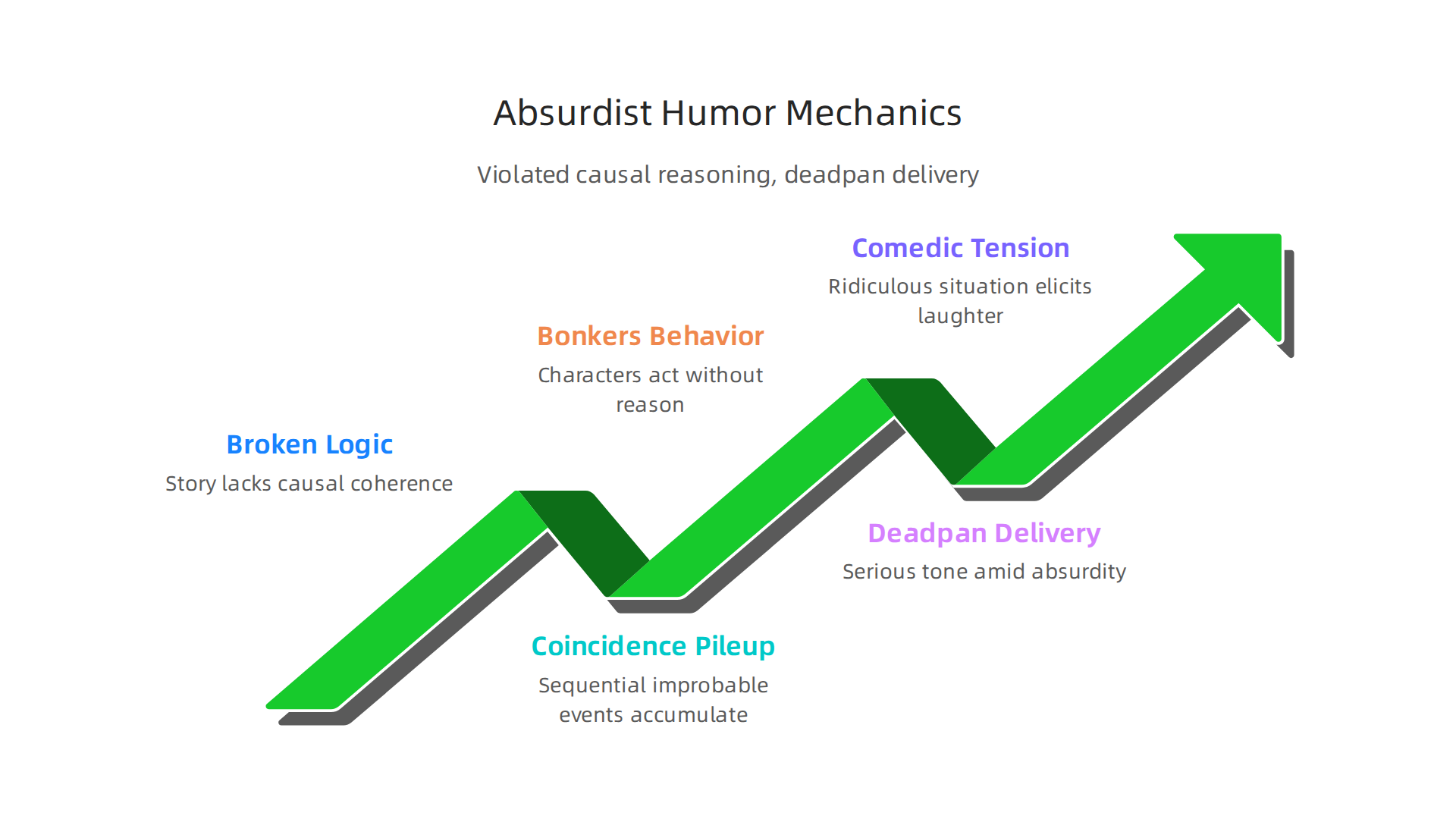
According to Wikipedia, surreal humour works by deliberately violating causal reasoning. In other words, things happen without a clear cause, and that is where the comedy lives. Julia Roberts understood this trick better than most.
Her secret weapon is her straight‑faced delivery. When everything around her is falling into absurdity, she stays calm and serious. That contrast makes the weirdness hit harder. Think about The Mexican (2001). Roberts plays a woman stuck in a crime plot where every coincidence defies logic. She never winks at the audience. She just reacts with deadpan frustration. That gap between her serious face and the crazy world around her is pure absurdist comedy.
This technique is not limited to romantic comedies. You can see similar moves in psychological thriller movies that borrow from dark comedy, or even in the deadpan timing of old stand‑up comedians. But Roberts made it her own in the rom‑com space.
If you want to explore how other stars bend reality for laughs, check out this breakdown of Keanu Reeves absurdist humor and the secret behind his deadpan comedy genius. Both actors prove that sometimes the best comedy comes from not reacting at all.
Ready to dive deeper into worlds where logic takes a backseat? Visit Ridiculous and see where the weird path leads.
The film’s plot is deceptively simple: a cursed antique pistol and a road trip. But the way the story unfolds defies all logic. Coincidences pile up for no clear reason. Cause and effect break down completely. That is what makes it absurdist humor according to the definition from Cornell College: humor based on situations that are extremely ridiculous or don’t make sense.
Characters in The Mexican treat life threatening moments with a strange indifference. A hostage situation feels like a minor inconvenience. A gun pointed at someone is met with a shrug. That calmness in the face of danger creates the comedy.
Julia Roberts’ character Leroy is the anchor. She swings between real rational panic and a blank acceptance of how weird things are. One moment she is screaming. The next she just stares, as if saying "sure, why not." That back and forth is the heart of the film’s tonal duality. She makes the absurd feel almost normal.
This mix of panic and deadpan acceptance is a trademark of the best julia roberts movies. She knows how to let the joke breathe without forcing a laugh.
If you enjoy stories where logic takes a vacation and weirdness wins, you will love exploring more of this style. Visit Ridiculous and step into a universe built on strange logic and smarter laughs.
‘Eat Pray Love’ as Existential Quest
At first glance, "Eat Pray Love" seems like a simple travel drama. But look closer and you will see it shares DNA with the absurdist humor we just talked about. The film’s episodic structure and self-deprecating narration lean into a kind of absurdist introspection. Julia Roberts plays a woman who literally runs away from her life to find meaning. That is a very existentialist move.
Roberts’ performance as Liz Gilbert mirrors what philosopher Thomas Nagel called the best response to life’s absurdity: humor.

Absurdity arises from our ability to step back and see our lives from a distance. Liz does exactly that. She narrates her own messiness with a comic shrug.
The comedy here is subtle. It comes from the contrast between her internal seriousness and the external chaos of travel. One moment she is meditating deeply. The next she is stuck in a traffic jam in India, sweating and swearing. That gap between what she hopes for and what she gets is pure surreal humour. Roberts delivers these beats with the same deadpan control she used in "The Mexican." She makes the ridiculous feel like a relatable life lesson.
This style of humor is not just for dwayne johnson movies or psychological thriller movies. It lives in unexpected places like this. If you enjoy films that mix deep questions with a laugh, you will find more of that strange logic Visit Ridiculous.
When a Star’s Persona Frames Surreal Comedy
Julia Roberts is one of the most famous faces in Hollywood. She is often called America’s sweetheart. Audiences love her for her warm smile and relatable charm. That persona is a powerful tool. When a star has a certain image, viewers expect her to play roles that match it. A star persona builds a relationship with the audience based on qualities they admire. For Roberts, that means romantic comedies and heartwarming dramas.
But here is the trick. That very persona makes her surreal and dark roles hit harder. The gap between what we expect and what we get becomes the joke itself. In julia roberts movies like "Eat Pray Love," she plays a woman falling apart on purpose. She is not the perfect princess. She is messy, selfish, and lost. The humor comes from watching America’s sweetheart stumble through India while trying to meditate.
This is a classic absurdist move. Julia Roberts has won awards for her leading roles across many genres, so we know she can do serious. But when she leans into comedy that is also uncomfortable, the contrast creates surprise. It is the same technique you see in keanu reeves absurdist humor. A serious face in a ridiculous situation makes us laugh because our brain cannot reconcile the two.
When stars use their own image against themselves, the comedy becomes smarter. It makes us question what we thought we knew. If you enjoy that kind of playful twist on expectations, Read Book 1 for a story that breaks logic in the same fun way.
The Uncomfortable Laugh: Julia Roberts and Dark Comedy
Dark comedy does not feel warm and fuzzy. It makes you laugh at things you probably should not laugh at. Things like family fights, bitter arguments, or people falling apart. The trick is that you need someone who can make these moments feel real, not just mean. That is where Julia Roberts shines.
Her star persona is built on warmth. Audiences connect with her because she feels like someone you know. A star persona builds a relationship with the audience based on qualities they admire. So when she plays a character who is sharp, bitter, or broken, it stings more. That sting is the heart of dark comedy.
Take her role in August: Osage County. She plays a daughter full of anger and resentment. Her dialogue cuts deep. But the way she delivers those lines, with that signature smile mixed with venom, makes the audience laugh even as they cringe. It is uncomfortable, and that is the point. Julia Roberts has won awards for her leading roles across many genres, but this film shows her ability to lean into darkness.
Even in lighter movies like Notting Hill, her character has moments of neurotic panic. She rambles about her messy life, and the humor comes from watching a glamorous star act so human. That film is considered one of the best romantic comedies, yet its funniest scenes have a dark edge. This is the same trick you see in keanu reeves absurdist humor, where a serious face on a ridiculous situation creates pure comedy.
Unlike old stand-up comedians who built routines on punchlines, Roberts builds laughter on vulnerability. She lets you see the awkward, messy truth behind a polished surface. If you enjoy that kind of smart, uncomfortable comedy that plays with expectations, View Series for a story that turns logic upside down.
Practical Lessons for Writers & Creators
So what can you actually learn from watching Julia Roberts movies? A lot, if you are a writer or creator trying to make your work funnier and sharper.

The first lesson is about subverting romantic tropes. In many of her films, the script sets up a classic moment like a big confession or a first kiss. But then the character reacts in a way you do not expect. She might ramble nervously or say something too honest. That moment of wrong expectation creates the laugh. Learning how to write comedy often starts with understanding when to break the usual pattern.
Another technique you can copy is blank face delivery. Roberts often delivers a mean line with a sweet smile. That contrast makes the joke land harder. Timing awkward pauses is also key. She lets silence hang just long enough to make the audience squirm. Mastering comedy principles for screenwriters includes knowing how timing and subtext work together.
You can also study how her scripts use juxtaposition. They place high drama next to low absurdity. A screaming fight suddenly turns into a silly observation. This mix keeps the audience off balance. That is the same trick you see in keanu reeves absurdist humor, where a serious face in a ridiculous situation creates pure comedy.
The final lesson is about embedding absurdist elements without losing your audience. Roberts never plays a cartoon character. She stays human. So when something weird happens, it feels real. You can apply this to your own work. Keep the emotions grounded, and the strange moments will feel earned instead of forced. To see these principles in action, View Series for a story that builds smart laughs on broken logic.
Subverting Expectations: Turning Tropes on Their Head
One of the biggest comedy tricks in Julia Roberts movies is how she flips the script on what you expect. Instead of playing the sweet romantic lead, she often takes the role of the anti-hero:

the flighty best friend who messes everything up, the cynical divorcee who hates love, or the accidental criminal who stumbles into chaos. These choices create real comedic friction because they break the rules of the genre.
Think about My Best Friend’s Wedding. Here, Roberts spends the whole movie trying to break up a wedding. Her goal is selfish and morally messy. But the film plays it for laughs. That only works because the audience is used to seeing her as the lovable star. The surprise of her doing something so wrong makes the comedy land harder. Learning how to write comedy often starts with understanding when to break the usual pattern.
The same trick shows up in keanu reeves absurdist humor, where deadpan delivery makes a ridiculous situation even funnier. Roberts uses her charm in the same way. She stays warm while saying cold things. That contrast is pure gold for any writer.
If you want to see how violating tropes can build smarter laughs, Read Book 1 and study how a character can break every rule and still win you over.
Blank‑Face Delivery: The Power of Deadpan
Here is a fun test. Watch a Julia Roberts movies marathon with the sound off. Pay close attention to her face when chaos erupts around her. Does she panic? Does she scream? Mostly, she just stares back with a perfectly blank expression. That is the power of deadpan.

Deadpan comedy works because of the gap between what happens and how the character reacts. A car crashes behind her? No flinch. Someone confesses a dark secret? She just blinks slowly. The joke hides in that space. The audience has to find it themselves. Old stand-up comedians like Steven Wright and Mitch Hedberg built entire careers around this technique. They let the silence do the heavy lifting.
What makes Roberts special is her training. She built her career in serious roles and psychological thriller movies like Sleeping with the Enemy. That background taught her to stay sincere even when saying the most ridiculous things. She never winks at the camera. She commits fully. That sincerity makes the absurd moment land even harder.
If you want to study how a straight face can create the biggest laugh, Read Book 1 and see how deadpan characters steal every scene they are in.
The Academic Lens: Why Absurdist Comedy Matters
You might think absurdist comedy is just for laughs. But it actually carries serious weight. Philosophers like Albert Camus and playwrights like Eugène Ionesco used absurdity to question the way we think the world should work. They showed that life often makes no sense, and trying to force logic onto everything can be a fool’s game.
That same idea lives in julia roberts movies. When she holds a blank face while chaos swirls around her, she is doing more than getting a giggle. She is acting out a core piece of absurdist theory: the gap between expectation and reality. Film scholars today study these moments because they reveal how mainstream comedy can challenge cultural norms. A paper on transgressions in absurd comedy explains that these films break traditional frameworks to offer a “profound reflection and cultural criticism of the real world.”
Roberts is not the only one. Think about dwayne johnson movies like Jumanji: Welcome to the Jungle. A giant man playing a teenage boy in a video game? That absurd premise lets us laugh at identity, rules, and what we take seriously. Even old stand-up comedians like Mitch Hedberg proved that simple absurd lines could make us rethink ordinary things.
By looking at big stars like Roberts and Johnson through a scholarly lens, we make comedy theory feel less stuffy. It becomes something you can spot at your local multiplex.

If you want to dive deeper into how deadpan and absurdity work on screen, check out this analysis of Keanu Reeves’ deadpan genius. And if you are ready to explore a whole universe built around strange logic and smarter laughs, Visit Ridiculous and see absurdist theory in action.
Summary
This article explores Julia Roberts’ surprising relationship with absurdist comedy, tracing how her warm rom‑com persona evolved into a tool for surreal and dark laughs. It reviews pivotal films from Pretty Woman to The Mexican, Eat Pray Love, and August: Osage County to show how Roberts uses timing, deadpan delivery, and persona contrast to sell illogical or uncomfortable moments. The piece explains absurdist theory in plain terms, showing why breaking causal logic can produce comedy that both amuses and unsettles. It also breaks down specific techniques—subverting tropes, blank‑face reactions, and juxtaposing high drama with low absurdity—that writers and performers can apply. Finally, the article frames these moves academically and practically so readers learn to spot, analyze, and borrow Roberts’ methods for smarter, stranger comedy.