
Introduction: The Magic of Mind and Performance
You probably remember the first time you saw a young boy find out he’s a wizard. That moment in Harry Potter isn’t just about magic. It’s about something deeper. It’s about a boy who feels different, broken, and alone. Sound familiar? That’s the power of the hp psychological lens. When we look at Harry Potter through a psychological perspective, the story becomes more than a fantasy. It becomes a mirror for our own minds.
Researchers agree. Scholars have brought a psychological perspective definition to the series, analyzing it as a modern myth for understanding ourselves. In fact, the 2025 Harry Potter Academic Conference devoted entire sessions to this idea, exploring the "depth psychological perspective" of the books. Others have even studied how the novels can work as a mental health tool for children. The series sticks with us because it speaks to real fears, hopes, and wounds.
That same psychological depth shows up in the performances of actors like anna kendrick movies, florence pugh movies, and morgan freeman movies. Each of them brings a layered understanding of their characters. They make you feel the conflict inside. And sometimes, they use humor to reveal those layers. That’s where the weird, the strange, the absurd comes into play.
In this article, we will explore three things: the hidden psyches of key characters, the acting techniques that bring them to life, and how absurdist humor sneaks into the darkest moments. We’ll show you why this intersection matters for fans, writers, and comedy lovers alike. If you love stories that play with logic and emotion, you’re in the right place.
Ready to see the magic from a new angle? Start with a universe where logic breaks and laughter gets strange. Explore the Series to see how absurdist fiction can uncover hidden truths.

1. The Psychological Landscape of Harry Potter
You do not have to be a psychologist to see that Harry Potter is full of deep psychological wounds. In fact, the more you look, the more you realize the story is really about the mind. Harry grows up in a closet. He carries the trauma of losing his parents and the weight of being the chosen one. That is trauma in its rawest form. Then you have Voldemort, a character who rejects his own human identity and splits his soul. That is a crisis of identity, pushed to a terrifying extreme. And Snape? He is the poster child for repression. He buries his pain, his love, and his guilt for decades. Luna Lovegood shows us grief, too. She lost her mother and sees creatures no one else believes in.
These themes are not accidents. J.K. Rowling built the wizarding world so that every character faces a psychological battle. That is why scholars keep studying the series through a psychological perspective. In fact, a 2025 Harry Potter Academic Conference session focused specifically on bringing a depth psychological perspective to the books, treating them as a modern myth. Researchers have even proposed using the novels as a mental health tool for children, with one clinical trial testing a Harry Potter based mental health literacy curriculum. The story works because it mirrors real human struggles.
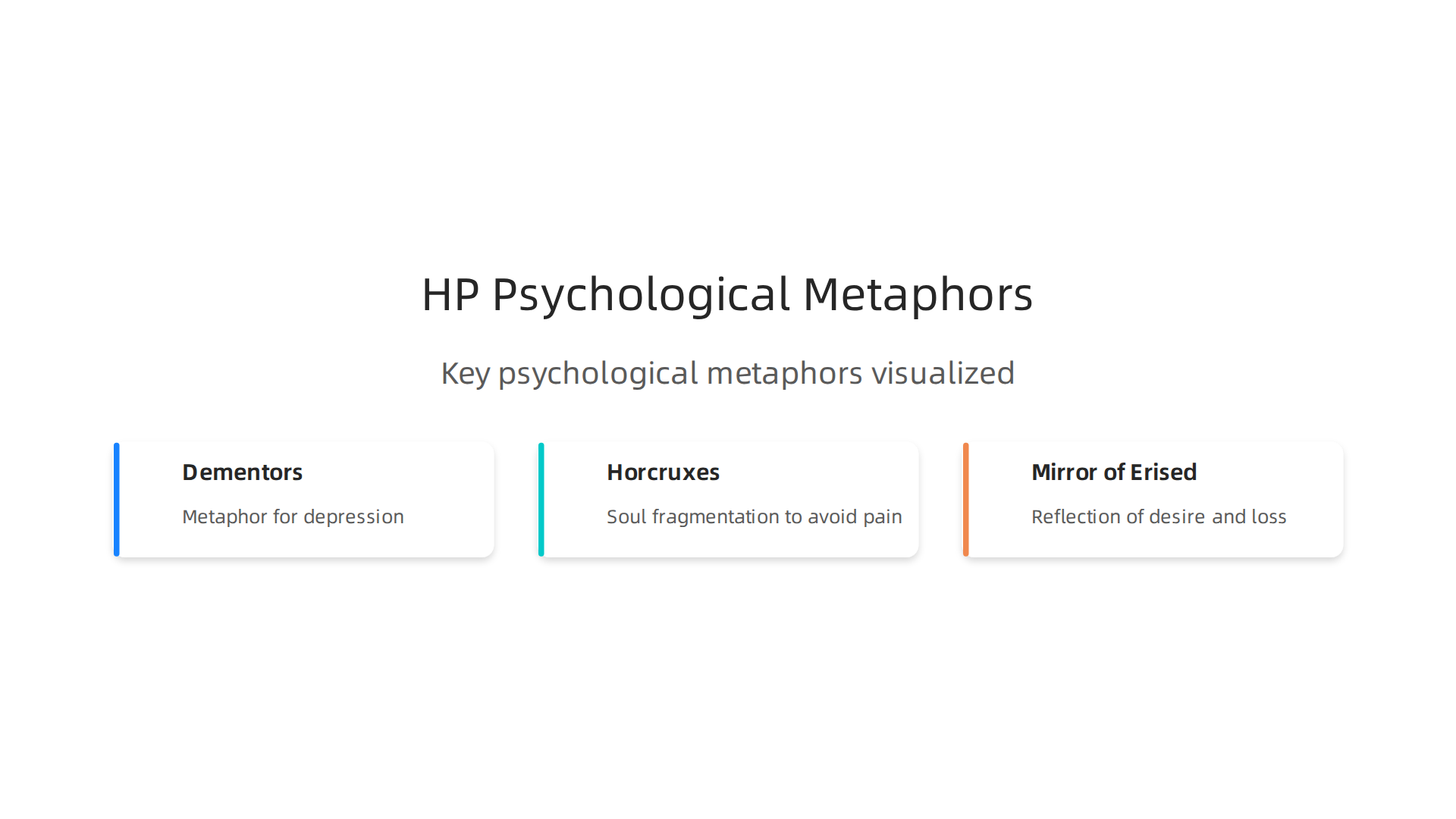
The fantastic part is that Rowling’s narrative architecture invites this kind of reading. The magical world is not just a fun backdrop. It is a canvas for exploring what happens inside us. Think about it. The Dementors are basically walking metaphors for depression. The Horcruxes represent the way we fragment ourselves when we try to escape pain. The Mirror of Erised shows us desire and loss. Everything has a psychological layer.
And here is where absurdist humor sneaks in. The wizarding world is surreal. Magic makes no logical sense sometimes. But that absurdity is exactly what lets us explore heavy topics without feeling crushed. When Harry sees a talking hat or rides a flying motorcycle, our brains relax. We accept the strange because it is funny. That opens a door to deeper emotional truth. If you want to see more examples of how absurdity unlocks psychological depth, check out this analysis of absurdist comedy movies that defy logic.
The psychological landscape of Harry Potter is rich, painful, and weird. It shows us that our own minds are just as magical and messy. And that is a comforting thought.
Ready to explore more minds like this? Discover the universe where logic breaks and laughter gets strange. Explore the Series to see how absurdist fiction can uncover hidden truths.
1.1. Trauma and Survival: Harry’s Inner World
Harry Potter’s story starts in a dark closet under the stairs. That is not just a sad backstory. It is real emotional neglect. The Dursleys do not just ignore Harry. They shame him, starve him, and make him feel worthless. And yet, Harry survives. He builds a shell of calm and sarcasm. That shell is his trauma talking.
From a psychological perspective definition, trauma often numbs a person. You stop reacting to the world the way others do. Harry’s deadpan face when a flying car shows up or when a giant snake speaks is not just cool acting. It is survival. He has trained himself not to show fear.
Daniel Radcliffe brought this to life without even knowing where the plot was going. He learned the twists just like the audience did, as reported by Parade. That meant he played Harry as a real kid who is just as confused and scared as we are. That honest performance makes Harry’s trauma feel real.
The Dursleys taught Harry that the world is cold. So when he enters the magical world, he does not gush with excitement. He watches. He questions. He keeps his guard up. This is why his humor is so dry. He uses deadpan jokes to handle the absurdity around him. In fact, this kind of flat reaction to weirdness is a classic survival trick. It lets you stay calm when everything is insane.
If you enjoy stories where characters face the impossible with a straight face, check out this list of absurdist comedy movies that defy logic. It shows the same technique at work.
Harry’s trauma does not break him. It sharpens him. And that is the real magic.
Want to see more characters who survive the weirdest worlds with a sarcastic smile? Try a book that does the same thing. Read Book 1 and follow a hero who keeps laughing through chaos.
2. Actor Techniques: Bringing Psychological Depth to the Screen
Harry’s inner trauma is not just written on the page. It is performed. The cast of Harry Potter used serious acting techniques to make that pain feel real. And that is why these movies still hit us so hard.
Take Alan Rickman as Snape. He did not just read lines. He used method acting principles to find Snape’s emotional truth. Method acting asks you to pull from your own memories to feel what the character feels. A review of the theory explains that this technique focuses on emotional authenticity through personal experience. Rickman made Snape’s silence and slow speech feel heavy with grief. You can see it in the way he pauses. He lets the weight of the past hang in the air.
Emma Watson also used psychological perspective definition tools to shape Hermione. She did not just act smart. She showed Hermione’s anxiety through physicality. She often fidgets with her robes, bites her lip, or holds her books tight. Those small moves signal a kid who needs to prove herself. As one guide on acting techniques notes, body language and expression are key to showing character depth. Watson leaned into that.
And then there is the voice. Alan Rickman’s deep, slow tone made every threat feel real. He mastered voice modulation to control tension. Another source explains that voice modulation breathes life into a character and makes them more relatable. Think of Snape saying “Obviously” in that cold drawl. You hear the years of hurt and hate in one word.
These tools work because they match what real psychology tells us. When a person is scared or hurt, their body changes. They tense up. They speak differently. The actors in Harry Potter studied those signals. They brought that authenticity to every scene.
What does this mean for you as a writer or creator? It means you need to think about how your characters move and talk, not just what they say. Give them a physical habit that shows their hidden fear. Let their voice crack when they lie. That is how you build depth without explaining everything.
If you want to dive deeper into how actors create these layers and how you can use similar techniques in your own stories, reach out. We love talking about the craft behind the strange and the real. Contact us to discuss workshops or analysis.
For more on how deadpan physicality creates iconic characters, check out this analysis of Keanu Reeves’ absurdist humor and the secret behind his deadpan comedy genius. It shows the same actor techniques at work in a different style.
2.1. Alan Rickman’s Snape: The Art of Repressed Emotion
Alan Rickman did something most actors never get to do. He knew how his character’s story ended before he even started filming the first movie. Only one actor on set knew the full Snape arc ahead of time, and it was Rickman. Director David Yates confirmed that Rickman was trusted with the secret from the start. This knowledge shaped how he played every single scene.
Because Rickman knew Snape was carrying deep guilt and a hidden love for Lily Potter, he chose to hold back. His pauses are not empty. They are full of a man stopping himself from saying too much. That is the art of repressed emotion. You build a wall with your voice. You speak slowly so nothing slips out. But then you let the wall crack just a little. A long blink. A tiny flinch. These small moments tell us more than any speech could.

This choice makes Snape a perfect tragic hero when you look at him through a psychological perspective definition. He is not just a villain. He is a man trapped by his past. Rickman showed that trap by never fully letting the mask drop. You feel Snape’s pain because you see him holding it back.
So what is the lesson for you as a creator? If you want to write a nuanced antagonist, give them a secret they must protect at all costs. Then take away their ability to talk about it. Let their body language do the work. Let their quiet moments scream louder than their loud ones.
We love exploring how actors build this kind of strange character depth. If you want to see how another master of quiet performance uses silence and delivery to create iconic roles, read our analysis of Keanu Reeves’ absurdist humor technique.
And if you want to talk about writing complex characters or analyzing performance techniques for your own projects, reach out. Contact us to discuss workshops or custom analysis.
3. Absurdist and Surreal Undercurrents in HP Psychology
You just saw how Alan Rickman used repressed emotion to build Snape’s pain. But the Harry Potter world is not all quiet restraint. It is also full of moving staircases, talking portraits, and a girl who wears radish earrings. This surreal setting is not just decoration. It is a direct mirror of the psychological chaos inside the characters.
Think about Hogwarts itself. The staircases shift on their own. Rooms disappear. The castle feels alive and unpredictable. That matches how teenagers feel. Your emotions change without warning. Your world feels unstable. The magic school becomes a physical version of teenage anxiety. This technique, where reality bends slightly, is a core tool in magical realism. As one analysis of movie magical realism notes, stories like Harry Potter use "magic schools, flying brooms, the works" to make familiar feelings feel strange and big. By putting absurd settings around the characters, the story externalizes their inner lives.
Now look at the characters who lean into the absurd. Luna Lovegood talks about Nargles and Crumple-Horned Snorkacks. She does not care if you think she is crazy. Her bizarre beliefs are a shield. They help her cope with losing her mother and feeling like an outcast. Fred and George Weasley turn everything into a joke. They invent joke products, fake a swamp in the hallway, and eventually explode out of Hogwarts on their brooms. Their absurdist humor is not random silliness. It is a rebellion against authority and a way to handle the fear of war. As absurdist humour often does, it uses illogic to deal with dark subjects like death and threat.
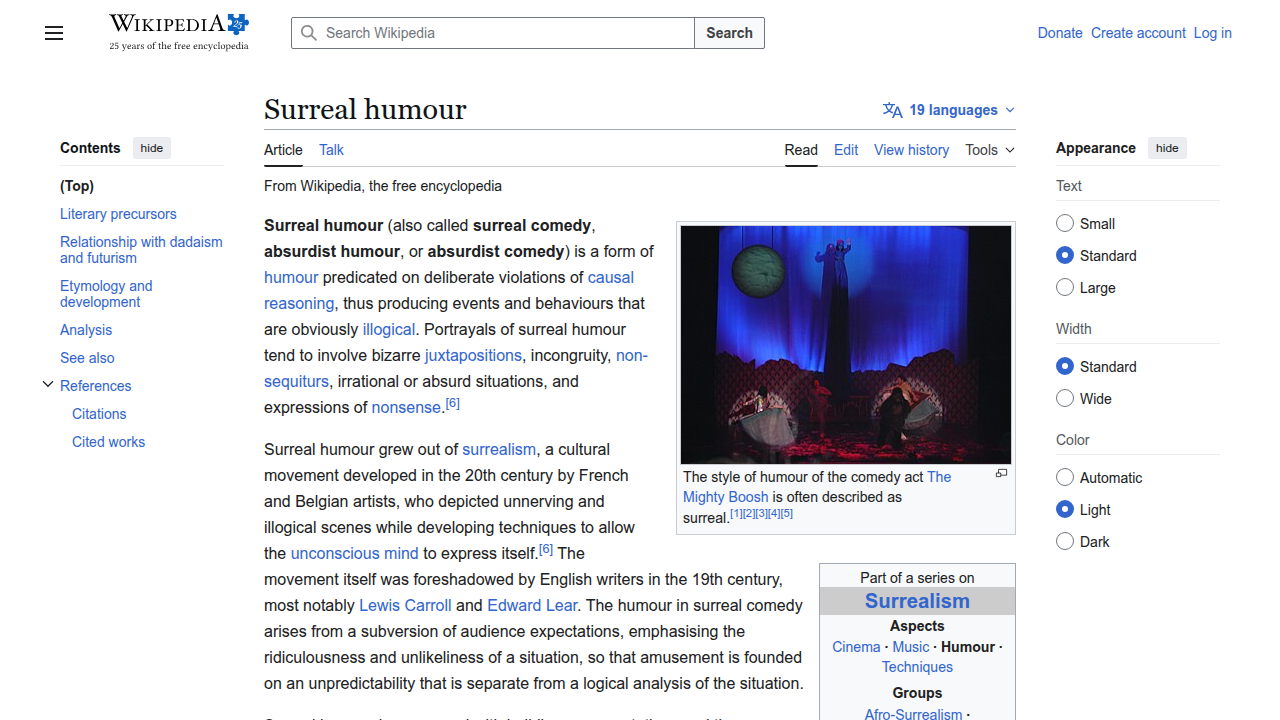
Here is the key point. This absurdity does not make the story less real. It makes the psychology deeper. When you see Luna calmly reading The Quibbler upside down, you understand her strength. When you see Fred and George dropping Ton-Tongue Toffees in front of Dudley, you feel their refusal to be crushed. The surreal elements let the films show internal conflict without long speeches.

It is a different tool from Rickman’s pauses, but just as effective.
For creators, the lesson is clear. Do not be afraid of absurdity in your characters. A strange habit or a ridiculous setting can reveal more about a person than ten pages of dialogue. Absurdist humor gives characters a way to resist pain without crying about it. That is why actors like Keanu Reeves use deadpan delivery so well. He delivers absurd lines with total seriousness, and that contrast makes the emotion hit harder. You can see a full breakdown of that technique in our analysis of Keanu Reeves’ absurdist humor and deadpan genius.
When you study the hp psychological layers, remember that surreal moments are not distractions. They are windows into the character’s soul. And if you want to see a fictional universe that builds deep emotion through strange logic, check out the books that do exactly that. Explore the series and see how cosmic confusion can become sharp, funny fiction with real heart.
4. Why HP Psychological Themes Resonate with Audiences
So why do we still care about these characters years after the last movie came out? The answer is simple. The hp psychological themes feel true to our own lives.
Think about the heroes. Harry is not a perfect golden boy. He is moody. He makes bad choices. He carries trauma from losing his parents and living in a cupboard. Ron feels invisible next to his famous friend and his brilliant siblings. Hermione struggles with being an outsider who needs to prove she belongs. These are not flat characters. They are people with real pain. When you watch a character like Harry scream at Dumbledore or Ron walk away from the quest, you do not judge them. You understand them.
That is why fans love flawed heroes. They remind us of ourselves. Actors like Florence Pugh movies and Anna Kendrick movies often succeed for the same reason. These actors play characters who are messy, anxious, or angry. They are not perfect. They are human. When a character feels broken in a real way, we connect deeper.

But here is the thing. The connection does not stop when the credits roll. Fans keep going. They write essays about why Snape really did what he did. They debate whether Dumbledore was a good mentor or a manipulator. They take Sorting Hat quizzes to figure out which House they belong to. One study even showed that people’s desired Hogwarts House membership actually reveals real differences in their psychological perspective definition. The Sorting Hat is not just a hat. It is a mirror.
Fandom itself is a psychological force. Research on fan behavior shows that fans develop deep emotional ownership over the stories they love. They devote time, energy, and even part of their identity to these fictional worlds. This helps explain why a series like Harry Potter survives controversy and still draws new readers. Fans do not just consume content. They live inside it.
Now here is the connection to comedy fans. People who love absurdist humor are great at layering interpretations. They can laugh at a weird joke and still feel the sadness underneath. That is exactly what the hp psychological layers demand. You can enjoy the funny parts like the Weasley twins pranking Filch. And you can also feel the weight of their fear during wartime. Comedy fans get this. They know that silly and serious can live together.
That is why the fandom keeps growing even in 2026. The psychological depth rewards repeat visits. You find something new each time.
If you love stories that mix strange humor with real emotional weight, you will enjoy a universe built on the same principle. Explore the Series and see how cosmic confusion can feel deeply human.
5. Psychological Archetypes in the Wizarding World
One reason the hp psychological layers feel so powerful is that the characters follow ancient story patterns. Psychologists call these Jungian archetypes. They are universal masks that show up in myths, dreams, and the best fiction around the world.
You do not need a degree to spot them. You feel them instantly.
The Hero is Harry. He starts as a nobody in a cupboard. His journey is messy. He is moody and makes bad choices. That is why he feels real. Actors like Florence Pugh movies and Anna Kendrick movies often choose roles where the hero is flawed and anxious. They know that perfect heroes are boring. We connect to the struggle, not the victory.
The Shadow is Voldemort. But here is the twist. Harry carries a piece of the Shadow inside himself. That is a deep psychological perspective. The enemy is not just outside. It lives inside us too. This kind of analysis is explored in academic conferences that look at the series through a depth psychological lens. (Source)
The Mentor is Dumbledore. He guides Harry but also uses him. He is wise but not purely good. Think about how actors like Morgan Freeman movies often play this role. They bring calm authority that feels reassuring but can hide a complicated past.
The Trickster is where the fun begins. The Weasley twins, Dobby, and Peeves bring chaos and laughter. They break the rules to reveal deeper truths. This character type is everywhere in surreal comedy. You can see him in action in our breakdown of the best absurdist comedy movies that defy logic.
Now look at the symbols. The Dementors suck out joy and force you to relive your worst memories. That is a metaphor for depression. It is so accurate that researchers have proposed using Harry Potter as a mental health literacy tool. One study mapped how the books help people talk about mental wellness. (Source)
The Mirror of Erised shows pure desire. Harry sees his family. Ron sees himself winning. The mirror does not lie, but it can trap you if you stare too long. This is a perfect example of how the psychological perspective definition applies to fantasy. The monsters and magic are not just decoration. They are mirrors of our own minds.
Why does this matter for comedy fans? Because the best absurdist humor uses the same archetypes. The Trickster is the engine of most strange jokes. When you understand the Hero and the Shadow, you can build comedy that feels silly on the surface but carries real emotional weight. Think about the Weasleys. They are funny pranksters. But they also lose family members in the war. That mix of light and dark makes their humor feel meaningful. It is not just noise. It is rebellion.
If you love stories that mix psychological depth with ridiculous situations, you are not alone. It is a powerful way to tell stories. You can find a universe built on that same mix of cosmic strangeness and human emotion. Explore the Series.
6. Expert Perspectives: Film Scholars and Psychologists Weigh In
The archetypes we just explored are not just fun patterns. Experts in film and mental health take them seriously. They use the hp psychological layers to teach real lessons about resilience and storytelling.
Stephen Fry, the voice of the audiobooks, has spoken openly about this. He says the stories helped him understand his own mental health. In a 2026 interview, Fry describes how acting and narrating these characters gave him a new psychological perspective definition for his work. (Stephen Fry on Harry Potter, Acting, Directing, and Mental Health) He is not alone.
Film scholars look at how the books handle trauma. Harry’s panic around Dementors is not just a plot device. It is a textbook case of PTSD. Researchers at academic conferences now study how the series mirrors real mental health conditions. One study found that fantasy fiction like this gives young readers "a way to rethink social dilemmas." (From Fahrenheit 451 to Harry Potter, The Power of Fantasy) That is not magic. It is psychology in action.

Practical takeaways for creators
If you write comedy or build worlds, this matters. The best writers borrow these techniques. They use absurd situations to uncover emotional truths. Look at how actors in Anna Kendrick movies or Florence Pugh movies handle dark humor. They laugh on the surface while carrying deep pain underneath. That contrast is what makes the audience feel something real.
Want to try this in your own work? Start with a simple exercise. Take a character who uses jokes to hide fear. Write a scene where the joke fails. The silence that follows is where the psychological perspective lives. It is the same trick the Weasley twins use. Their pranks are funny until the war hits. Then the humor becomes armor.
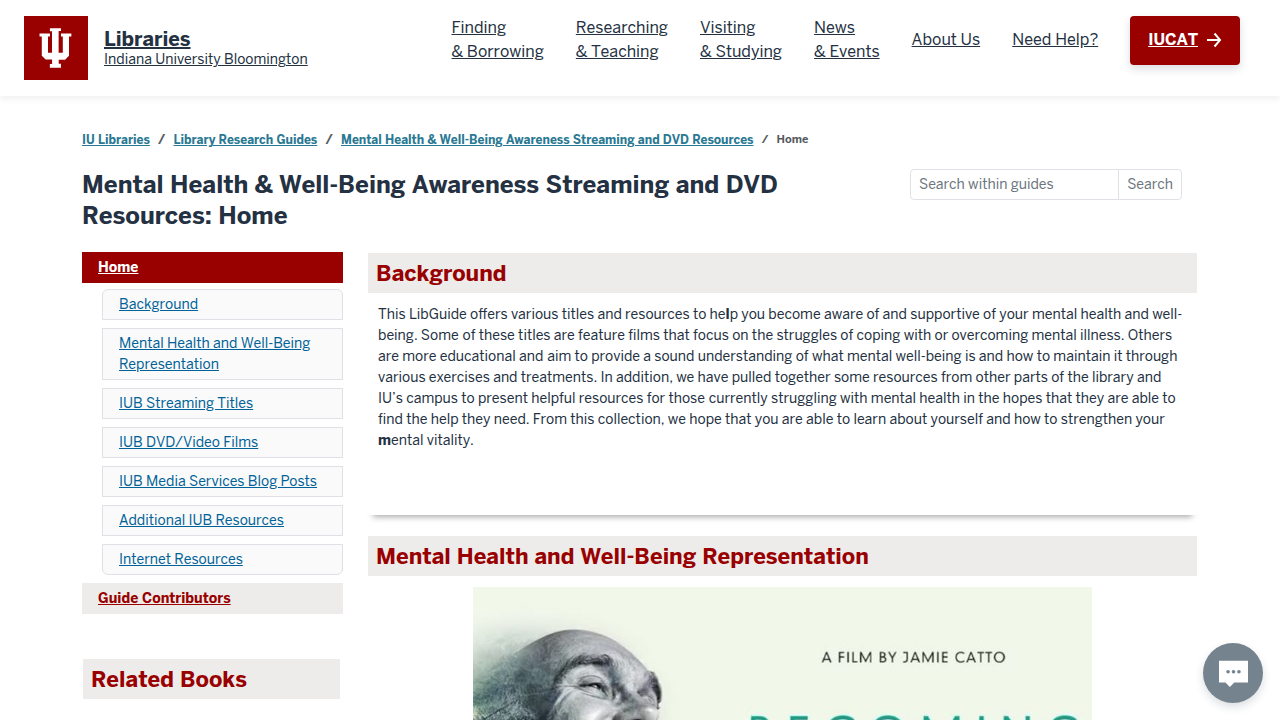
The new HBO Max series coming in 2026 has a chance to explore these layers even deeper. (HBO Max’s ‘Harry Potter’ Show Is Coming) As creators, we can learn from how the books balance light and dark. It is not easy. But resources exist to help you master this craft. Our library guide on mental health awareness offers a curated list of films and books that use this approach. (Mental Health & Well-Being Awareness Streaming and DVD Titles)
If you want to explore how absurdist humor can carry psychological weight, we can help. Contact Us to discuss creative workshops or analysis for your next project.
Summary
This article examines the psychological depth of the Harry Potter universe, showing how trauma, identity, and repression drive its characters and storyline. It explains how the books and films externalize inner life through symbols like Dementors and the Mirror of Erised, and how actors—especially Alan Rickman—use techniques such as voice, pause, and physicality to make that inner life visible. The piece also highlights the role of absurdist and surreal elements—talking portraits, moving staircases, and whimsical humor—in allowing readers to face heavy emotions without being crushed. By mapping Jungian archetypes and drawing on film and mental-health research, the article shows why fans keep returning and how the series can be used as a mental-health literacy tool. Writers and creators get practical advice on using silence, habits, and strange settings to reveal character depth. Overall, readers will learn to spot psychological layers in fiction, apply acting-inspired techniques to writing, and use absurdity as a tool for emotional truth.