

Introduction: When Cartoons Stop Making Sense (and Why That’s Brilliant)
Have you ever watched a DreamWorks movie and asked yourself, "What did I just watch?" Maybe a scene was so weird it broke every normal rule of storytelling.
That moment is not just a random joke. It is a perfect example of absurdist humor.
Experts call this surreal humour, a type of comedy that breaks the rules of cause and effect on purpose.
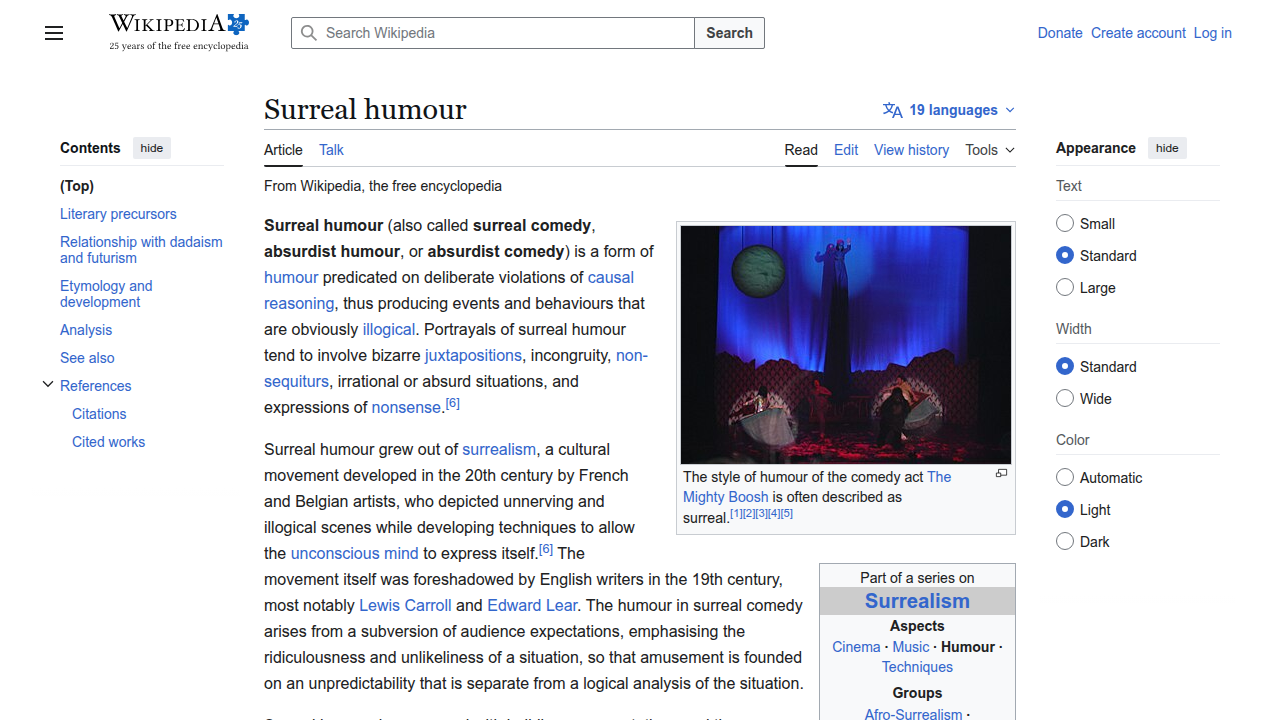
Things happen for no good reason, and we laugh because they do. It is a powerful style that goes way beyond simple slapstick.
DreamWorks movies have turned this kind of chaos into an art form. Think of a dancing funny monkey in the background, or a donkey who will not stop talking.

These moments feel loose, wild, and totally unexpected. That is why so many family movies from DreamWorks stay with us. The jokes do not just make you laugh. They make you think, or better yet, they make you laugh because they make no sense at all.
This approach gives storytellers a safe space to explore deeper topics. Through exaggeration and absurdity, comedy creates room for us to look at our own fears and shared worries. It lets the audience feel smart for getting the joke, even if the joke is completely ridiculous.
In 2026, understanding this style can help you create better content, write sharper jokes, or just appreciate your favorite scenes on a new level. You can find more stories that use this strange logic in our list of absurdist comedy movies that defy logic.
From classic techniques to the modern funny pics meme you share with friends, this guide will break down why DreamWorks movies work so well. We will give you a clear framework to understand and use absurdist humor yourself.
Ready to dive deeper into a world where logic takes a break? Check out Read Book 1 for a comedy that fully embraces the strange.
What Is Absurdist Humor? A Clear Framework for Animation
You might think absurdist humor is just random silliness. But there is a real difference between a joke that makes no sense and a joke that breaks logic on purpose to say something bigger. Let me give you a simple framework so you can spot the difference every time.
The Core Definition
Absurdist humor, also called surreal comedy, is built on "deliberate violations of causal reasoning" Surreal humor on Wikipedia. In plain English, things happen without any logical reason. A penguin takes over a naval fleet. A donkey talks about waffles in the middle of a battle. The joke works because cause and effect disappear.
But here is the key. Absurdity is not the same as nonsense. Nonsense is just silly for the sake of being silly. Absurdist humor often points at something deeper. Through exaggeration and broken logic, this kind of comedy "creates a space for recognition and reflection" Animation Studies Blog. It lets us laugh at big ideas like fear, confusion, or even the meaning of life.
Four Key Characteristics You See in DreamWorks Movies
DreamWorks movies use these tools better than almost any other studio. Here are the main traits you will spot in your favorite family movies.
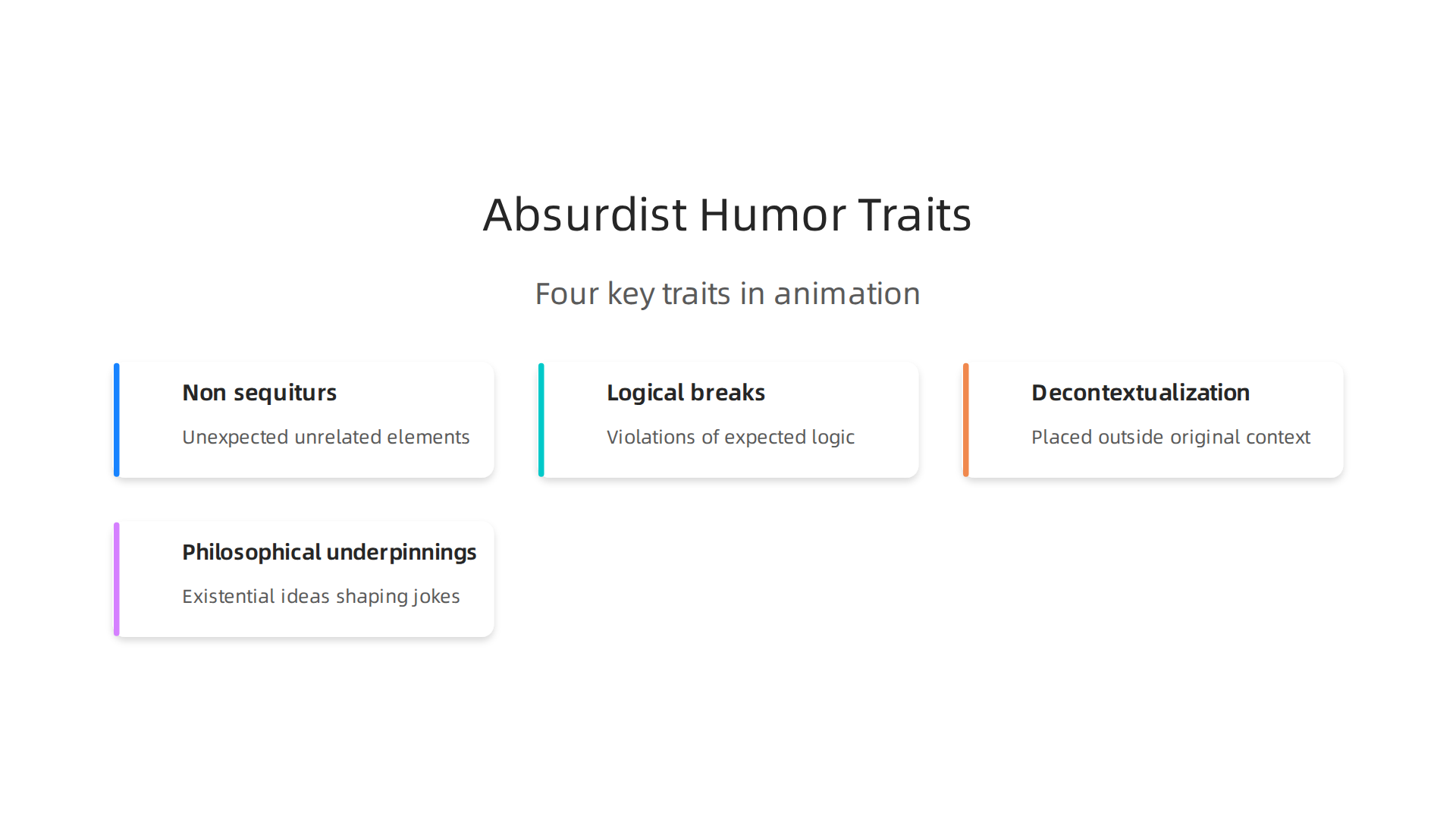
Non sequiturs. A character says something that has nothing to do with what just happened. In Shrek, Donkey interrupts a serious moment by asking, "Can I have a parfait?" The joke works because it comes from nowhere.
Logical breaks. Cause and effect stops working. In Madagascar, the penguins suddenly take over a ship without any explanation. The logic is broken on purpose. That is what makes you laugh.
Decontextualization. Take a normal object or action and drop it into a place where it does not belong. Think about the funny monkey dancing in the background during a tense scene in Madagascar. That monkey has no reason to be there. It is just moving to music nobody else hears. You can see this same idea in the funny pics meme your friend sends you: a cat’s face pasted onto a royal portrait.
Philosophical underpinnings. Absurdist humor often hints that life itself has no clear meaning. In Tom and Jerry, the chase never ends. Tom always fails in a new way. This pattern reflects a bigger idea about struggle and repetition The Absurdist Trope in Chase Cartoons. DreamWorks uses this same trick when a character keeps trying and failing in a loop.
Why This Matters for 2026
Understanding this framework helps you see why DreamWorks movies feel so sharp. They mix smart jokes with visual chaos. A clumsy panda becomes the chosen warrior in Kung Fu Panda.
A grumpy ogre becomes a hero. The absurd set up lets the audience laugh with the characters before the story even begins.
To see more examples of this strange logic in action, check out our list of absurdist comedy movies that defy logic. It covers everything from classic films to modern cartoons.
If you want to explore a story that fully embraces the weirdness, try Read Book 1. It turns cosmic confusion into sharp, funny fiction that follows every rule of absurdist humor.
DreamWorks’ Pioneering Role in Mainstream Absurdist Animation
Now that you understand the absurdist framework, let’s look at the studio that brought it to the biggest screens. DreamWorks Animation didn’t just use surreal jokes. It built an entire brand on breaking the rules.
From Shrek to the Present
When Shrek hit theaters in 2001, family movies would never be the same. The film mocked fairy tale traditions with non sequiturs, pop culture references, and a talking donkey who asks for a parfait in the middle of a serious quest. It was a direct challenge to Disney’s classic formula and Pixar’s warmhearted stories. Shrek won the first Academy Award for Best Animated Feature and grossed over $484 million worldwide. That success proved that audiences loved irreverent, rule-breaking humor.
DreamWorks kept pushing. In Madagascar (2005), you get the penguins hijacking a ship for no reason and a funny monkey dancing alone to a song no one else hears. That monkey became a popular funny pics meme across social media. Then came Kung Fu Panda (2008), where a clumsy, overweight panda is chosen as the Dragon Warrior. The absurdity of that setup makes the jokes land before the action even starts.
In 2009, DreamWorks released Monsters vs. Aliens, a sci-fi comedy that played with classic monster tropes and alien invasions. According to a detailed history of DreamWorks Animation, the film continued the studio’s tradition of mixing big spectacle with witty, offbeat humor.
How DreamWorks Set Itself Apart
While Disney told uplifting fairy tales and Pixar explored emotional depth, DreamWorks went for the joke that came from left field. They used absurdist comedy as a tool to entertain both kids and adults. A donkey talking about waffles. A group of penguins who think they are a military unit. A monkey that has no connection to the plot but steals the scene anyway. These deliberate violations of causal reasoning made DreamWorks movies feel fresh, unpredictable, and endlessly quotable.
Box Office and Cultural Impact
The numbers back up the approach. The Shrek franchise alone earned over $3.5 billion globally. Madagascar and its sequels brought in over $2.2 billion. More than ticket sales, these films entered the cultural bloodstream. Lines like "It’s not easy being green" and "We’re going to Madagascar!" became part of everyday conversation. The funny monkey meme still pops up in group chats today.
By 2026, DreamWorks continues to evolve. Recent films like Puss in Boots: The Last Wish and The Bad Guys mix absurdist moments with surprising emotional depth. The studio proved that you can be silly and smart at the same time.
If you enjoy this kind of surreal storytelling, you might love diving into fiction that takes absurdity even further. For a cosmic comedy adventure where logic dissolves and laughter takes over, view the series featuring strange characters and even stranger situations.
And to see more films that embrace this playful breakdown of reason, check out our full list of absurdist comedy movies that defy logic.
The Shrek Effect: Breaking Fairy Tale Conventions
Before Shrek, animated family movies followed a simple rule. The hero was handsome. The princess was helpless. True love solved everything. Then DreamWorks tore up that script and used it as toilet paper in the film’s opening scene.
That moment said everything. A fairy tale book gets read by an ogre who then rips out a page for a very undignified purpose. It was a direct statement. These dreamworks movies would not follow the old rules.
Shrek used surreal humour as defined by deliberate violations of causal reasoning. Fairy tale logic said the ogre must be the villain. Shrek became the hero. Fairy tale logic said the princess waited to be saved. Fiona could fight, belch, and turn into an ogre herself at night. Fairy tale logic said the dragon was a monster. The dragon fell in love with a talking donkey.
These contradictions created comedy that worked on multiple levels. Kids laughed at the slapstick. Adults caught the pop culture references. Think of the "This is the part where you run away" line from The Matrix or the Robin Hood musical parody. Every scene broke expectations.
Take the famous "What are you doing in my swamp?" sequence. The line itself is simple. But the escalating anger from Shrek, the confusion from the fairy tale creatures, and the absurd setup of displaced storybook characters invading his home created a perfect storm.
This film opened the floodgates for other creatives to challenge conventions too. Writers seeking to capture that same spirit of rebellion often look for guidance on how to break rules effectively. For a look at how absurdist techniques work across different storytelling traditions, check out our analysis of Indian alternative cinema’s use of absurdist humor.
The DreamWorks formula was simple. Make jokes that land for everyone. Subvert every trope you can find. And never let the audience get comfortable.
If that rebellious spirit speaks to you, you will love exploring stories where logic dissolves and the laughs get smarter. Visit Ridiculous and meet a universe built on strange logic and sharper comedy.
Beyond Shrek: Surreal Highlights in the DreamWorks Catalog
Even after Shrek, DreamWorks kept bending reality. Take Madagascar. The main story is about zoo animals in the wild. But the real absurdity comes from the penguin subplot. Skipper, Kowalski, Rico, and Private treat every situation like a military operation.
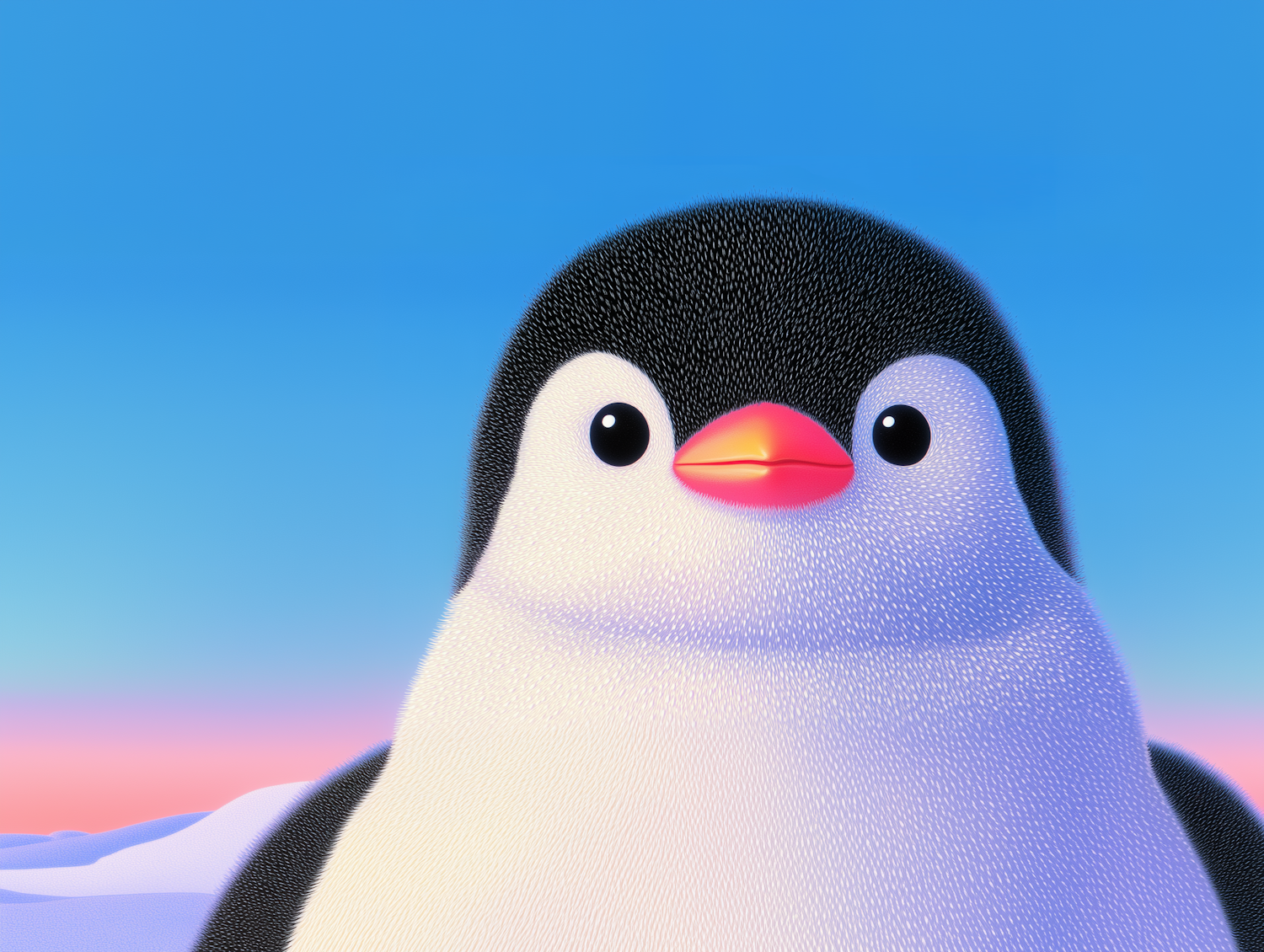
Their deadpan reactions to the chaos around them are pure surreal comedy. The "cute and cuddly" animals hide a secret smuggling ring and a love for exploding things. It turns a simple family movies premise into something delightfully strange.
Then there is Kung Fu Panda. Master Oogway speaks in riddles that sound wise but make no real sense. "There are no accidents" is a great line. But it also justifies the entire plot with a shrug. The absurdity lies in a fat panda becoming the Chosen One through sheer luck and noodle obsession. The universe does not care about logic. It just works.
The Bad Guys takes character contradictions to the next level. A wolf, a snake, a shark, a piranha, and a tarantula decide to become good. The humor comes from their failed attempts at morality. They are predators trying to hold doors open. The visual design, with its stylized and "conspicuously ugly" human characters, adds another layer of strangeness (check out modern dreamworks movies like this for that look).
These films share patterns. Offbeat side characters often steal the show, from the penguins to the Furious Five. Animals act like humans but keep their animal instincts. The jokes land because reality gets twisted just enough. For more on how these surreal techniques work across different media, read our breakdown of absurdist comedy movies that defy logic from Chaplin to Rick and Morty.
If you want to see where logic completely dissolves and the laughs get sharper, the Ridiculous series is your next stop. Explore the Series and dive into a universe built on strange rules and smarter comedy.
The Toolbox: 5 Techniques DreamWorks Uses to Generate Absurd Laughter
DreamWorks does not just tell funny stories. It builds a special machine for absurd laughter. After looking at some surreal highlights, it helps to see the actual tools the studio uses. These five techniques appear again and again. When you spot them, you start to see how dreamworks movies trick your brain into laughing at things that make no sense.
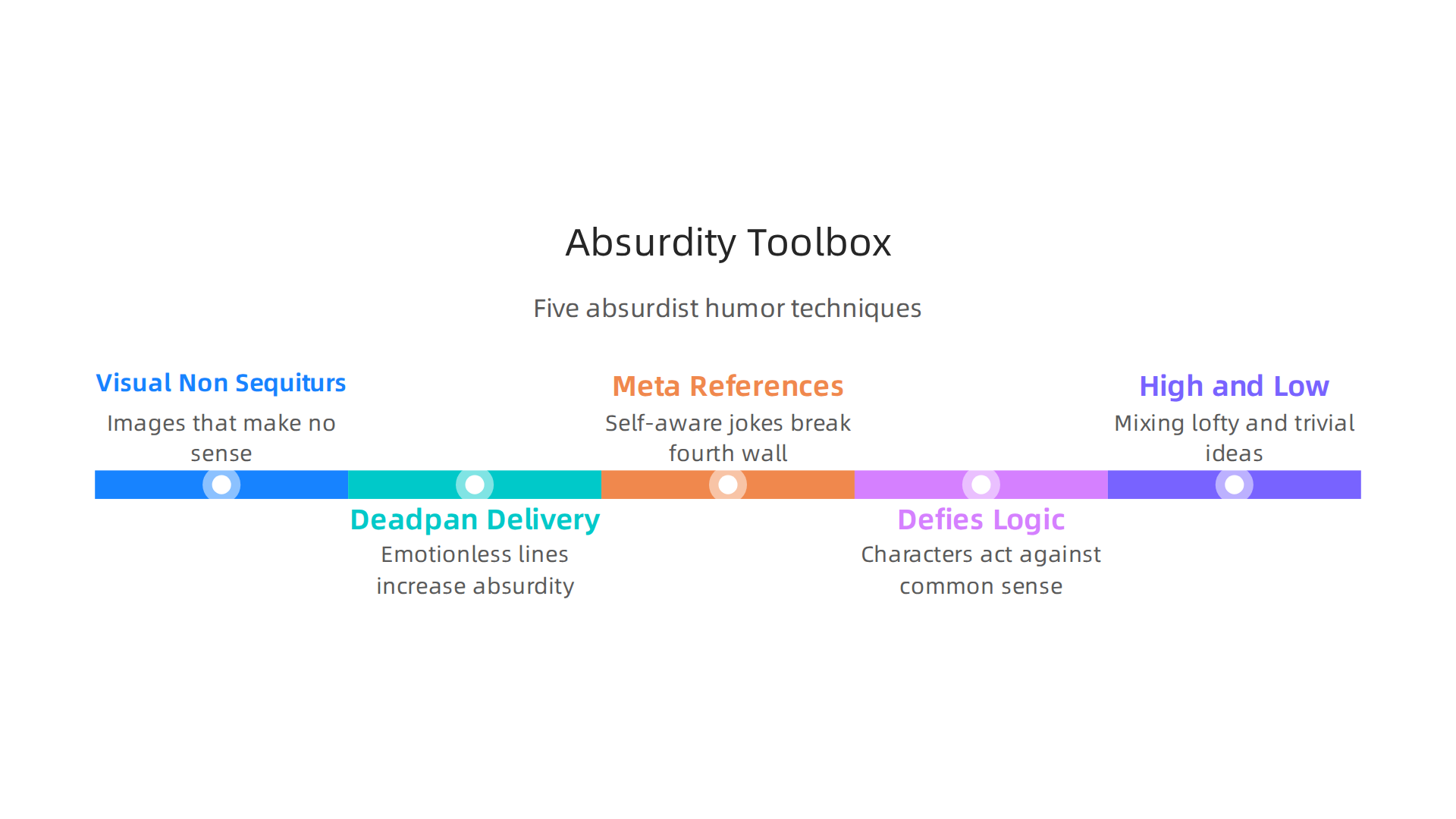
1. Visual Non Sequiturs
The images on screen often jump from one idea to another without warning. A character might have a body part that does not match the rest of the world. In The Bad Guys, the human characters look like newspaper caricatures come to life. They are conspicuously ugly and strange. Your eyes do not know where to look. That confusion is the joke. It works because the visual design feels wrong on purpose. For a deeper look at this style, the Blueprint Review article on DreamWorks Ranked Part 1 explains how these odd visuals create a unique comedic texture.
2. Deadpan Delivery in Animated Characters
In real life, animals do not talk. In DreamWorks, they talk with total seriousness. The penguins in Madagascar deliver every line like military operatives. Skipper says "I will not let you down" while planning to blow up a ship. His face stays flat. The joke comes from the gap between the serious delivery and the ridiculous situation. This technique works especially well in family movies because kids laugh at the surface action while adults catch the absurd contrast. You can see many of these missed jokes in a popular list of Dreamworks Animation Jokes You Missed on YouTube.
3. Meta-References and Fourth Wall Breaks
Donkey looks at the camera and comments on his own story. Shrek mocks fairy tale rules while living inside one. These moments break the illusion of the animated world. The audience becomes part of the joke. When a characters says "Like that would ever happen" in the middle of a magical scene, the absurdity doubles. It reminds you that you are watching a cartoon, and the cartoon knows it too. If you enjoy this kind of layered humor, you might like our exploration of absurdist comedy movies that defy logic from Chaplin to Rick and Morty.
4. Character Behavior That Defies Logic
The characters act in ways that would never happen in real life. In Megamind, the villain accidentally becomes a hero and then accidentally makes a new villain. He tries to be good but does everything wrong. In The Bad Guys, predators decide to become good citizens. They hold doors open for strangers. They fail every time. The behavior clashes with their nature. That clash is absurd.
5. Juxtaposition of High and Low Concepts
DreamWorks loves to smash big ideas against silly details. The Prince of Egypt is a serious biblical epic, but it still sneaks in comedic relief from the characters. In Kung Fu Panda, the Furious Five talk about destiny and inner peace while Po eats a dumpling the size of his head. The high concept (kung fu mastery) meets the low concept (noodle obsession). This mix creates laughter without disrespecting the story.
Here is a quick summary of these five techniques with film examples:
| Technique | DreamWorks Film Example | How It Creates Absurdity |
|---|---|---|
| Visual Non Sequiturs | The Bad Guys | Distorted human designs shock the viewer |
| Deadpan Delivery | Madagascar | Serious penguin reactions to chaos |
| Meta-References | Shrek | Characters mock the story they are in |
| Defying Logic | Megamind | Villain behaves heroically by accident |
| High and Low Juxtaposition | Kung Fu Panda | Deep philosophy meets silly appetite |
These five tools stack on top of one another. When you watch the next dreamworks movies on your list, look for them. You might even see a funny monkey scene that uses deadpan delivery or a visual non sequitur in the background.
If these techniques make you want more comedy that breaks the rules, the Ridiculous series takes these ideas even further. It builds a whole universe on strange logic and sharper laughs. Explore the Series and see what happens when absurdity rules the story.
Why Absurdist Comedy Works: Psychological and Philosophical Underpinnings
After seeing how DreamWorks builds its jokes with visual non sequiturs and deadpan characters, you might wonder: why do these weird moments actually make us laugh? The answer lies in how our brains handle things that do not fit.
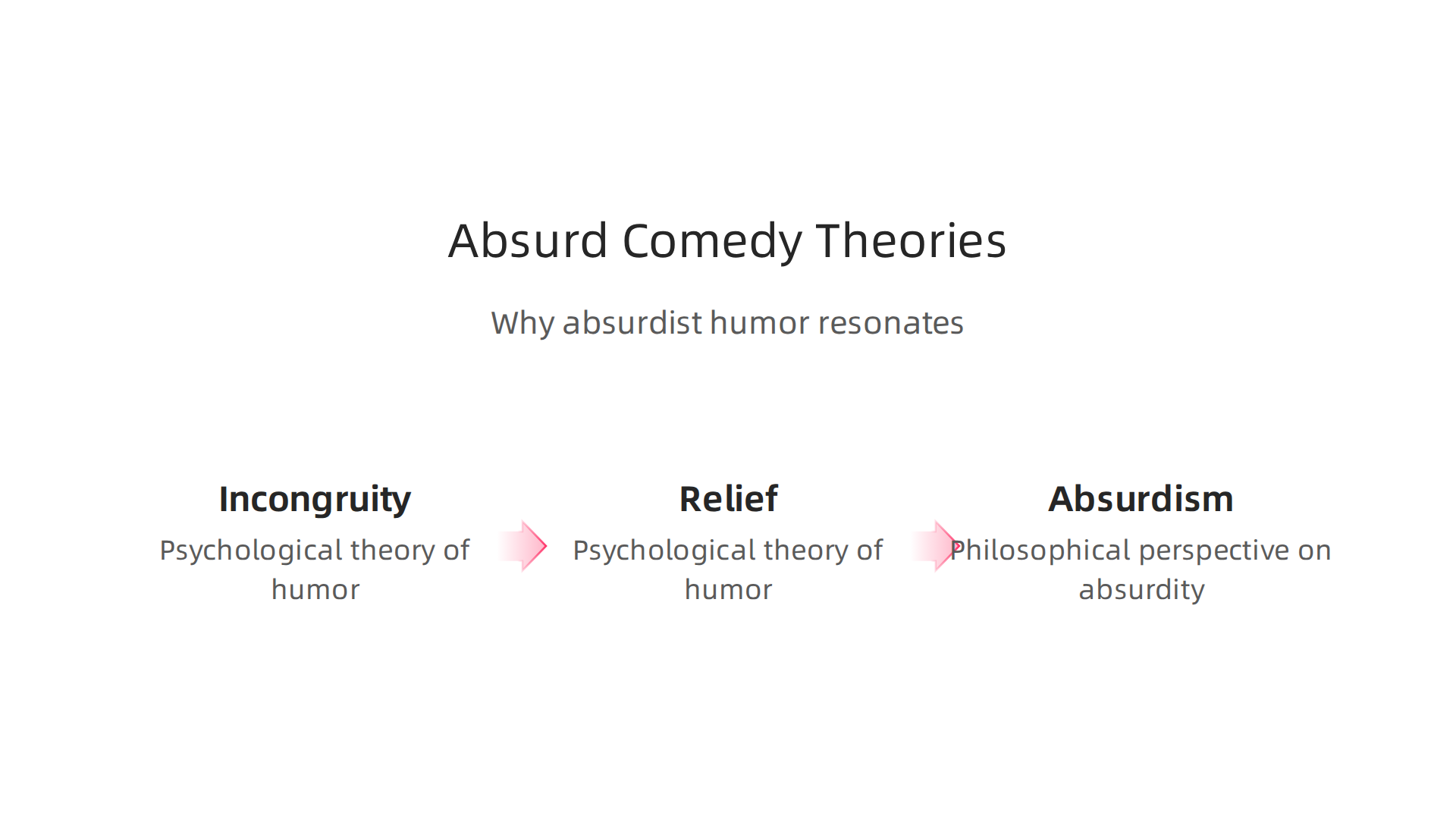
Incongruity Theory: Laughter at the Unexpected
The most common explanation is incongruity theory. It says humor happens when we meet something surprising or illogical in a normal situation. Think of a penguin talking like a secret agent. Your brain expects an animal to walk and squawk. Instead, you get a military commander. That mismatch triggers laughter. According to incongruity theory in humor psychology, this clash between what we predict and what we see is the core of absurd comedy. DreamWorks uses this all the time. A dancing monkey in a serious scene? That is incongruity working hard.
Relief Theory: Letting Go of Tension
Relief theory offers another angle. It says laughter is a way to release built-up pressure. When your mind tries to make sense of a funny pics meme or a cartoon donkey breaking into song, it uses extra energy. Laughing lets that energy out. Sigmund Freud believed jokes help us release forbidden thoughts in a safe way. In dreamworks movies, the characters often break logical rules that stress our brains a little. When we laugh, we let go of that tension. The three major theories of humor all agree that relief plays a big role in why we find silly moments so satisfying.
Philosophical Absurdism: Finding Meaning in Meaninglessness
Now we go deeper. The philosopher Albert Camus described the world as absurd. He said humans keep looking for meaning, but the universe gives no answers. This gap between our search and the silence is absurd. And absurd comedy does the same thing. It shows characters trying to be logical in a world that makes no sense. Think of Donkey in Shrek insisting he is a noble steed while being a donkey. He acts like his world has rules. It does not. That is pure philosophical absurdism in cartoon form. A great example of this is discussed in our article on absurdist comedy movies that defy logic, which traces this idea from silent films to modern animation.
So when DreamWorks puts a funny monkey in the middle of a chase scene, it is not just a joke. It uses three layers: surprise (incongruity), tension release (relief), and a quiet nod to a meaningless universe (absurdism). That is why the laughter feels so good.
If this blend of psychology and philosophy makes you want more, check out a series that lives fully in this strange space. It turns cosmic confusion into sharp, funny stories. Explore the Series and see what happens when logic breaks completely.
Case Study: Deconstructing a DreamWorks Absurdist Scene
Let’s take the ideas from the last section and look at a real example. One of the best comes from the dreamworks movies that started a huge franchise: Madagascar. We are talking about the penguins.
At first, Madagascar feels like a normal family movies story. Animals live in a zoo. They are friends. Then the penguins show up. And they change everything.
Beat 1: The Setup
The movie starts at the Central Park Zoo. The animals are happy and safe. You think you know where the story is going. Everything feels normal.
Beat 2: The Non Sequitur
Then we see the penguins. Skipper looks at the ground and says, "Just smile and wave, boys. Smile and wave." That line is already strange. But then they start digging a tunnel with a spoon. Why a spoon? Why are they escaping? We never get a clear reason. This is a perfect example of incongruity theory in humor psychology. Our brain says, "Penguins do not dig tunnels with spoons." The surprise of that mismatch makes us laugh.
Beat 3: The Absurd Payoff
The penguins do not just escape the zoo. They steal a boat. They act like Navy SEALs. Skipper gives orders with total seriousness. "Let’s go get ’em." The joke keeps going because they never break character. They are penguins acting like tough soldiers. The gap between their cute, waddling bodies and their serious mission is huge. That is the core of the humor.
Why It Works
This scene also uses relief theory. The main story has some emotional weight. But when the penguins show up with their crazy plan, we let go of that tension. We laugh to release the built-up energy. The three major theories of humor all agree this relief is a big reason why jokes feel so satisfying.
The penguins are also great examples of philosophical absurdism. They live in a world that does not make sense (a zoo). But they do not care. They make their own rules. They act like their mission is the most important thing in the universe. That strange, unshakable confidence is what makes them so funny to watch.
If you like breaking down comedy scenes like this, you might enjoy seeing how other stories use the same tricks. Check out our analysis of absurdist comedy movies that defy logic to see how this style has evolved over time.
Seeing the penguins laugh in the face of logic is pretty great. But what if a whole world was built on that idea? Explore the Series and see what happens when logic breaks completely over and over again.
Practical Takeaways for Writers and Creators: How to Inject Absurdist Humor Into Your Work
So you want to write your own absurdist scenes. Maybe you are working on a script for a family movies project. Or you just want to add some strange energy to your comedy. Where do you start?
Here is the thing. Absurdist humor is not random nonsense. It follows its own logic. And you can learn it. Let us go through some practical exercises and tips that work for writers and creators in 2026.
Writing Exercise 1: Combine Two Unrelated Concepts
This is one of the best ways to create absurdist comedy. Take two things that do not belong together. Then force them to live in the same scene.
- A penguin and a Navy SEAL mission (like the DreamWorks movies example we just saw)
- A tea party and a zombie apocalypse
- A job interview with a talking cat
The key is to play both sides totally straight. Do not wink at the audience. Treat the situation as completely normal. That is where the humor lives.
Writing Exercise 2: Take a Real Frustration and Exaggerate It
This comes straight from solid comedy writing techniques. Absurdism works best when the "madness" reflects real life issues. So think about something that annoys you every day. Maybe it is slow internet. Or people who talk in movie theaters.
Now turn that frustration into a surreal rule.
Example: "In this world, anyone who talks during a movie instantly turns into a funny monkey that dances on the screen until the credits roll."
It is ridiculous. But it starts from a real feeling. That makes it funny instead of just weird.
How to Structure Absurdist Gags Without Losing Your Story
You might worry that absurdist humor will break your narrative. It does not have to. Here is the trick.
Start with a normal world. Establish the rules. Then introduce one strange element. Let that element grow naturally. Do not throw ten weird things at the audience at once.
For example, if you are writing a dreamworks movies style script, introduce your absurd character early. Let them do one small strange thing. Then build from there. The penguins in Madagascar start with a simple spoon. By the end, they are stealing a boat. But it never feels forced because we accepted the first weird thing.
If you want a deeper dive into how this works, check out this guide to absurdist comedy movies that defy logic. It shows how the best stories use strangeness without losing the plot.
Character Design and Voice Acting Tips
How a character looks and sounds can make or break absurdist delivery.
Design tips:
- Give your character a serious look that contradicts their behavior
- Use simple, bold visual cues that signal their personality
- Think about what a funny pics meme would capture about them
Voice and delivery tips:
- Play everything with total sincerity
- Use deadpan delivery for the most ridiculous lines
- Let pauses land. Silence before an absurd punchline makes it hit harder
Want to see how one actor masters this style? Read our breakdown of Keanu Reeves absurdist humor and the secret behind his deadpan comedy genius. His approach is a masterclass in making the strange feel real.
One More Tool for Your Toolbox
There is a great YouTube video that covers 15 comedy writing tips in detail. It walks through practical techniques that work for scripts, sketches, and even stand-up. It is called My Top 15 Comedy Writing Tips and it is worth watching if you are serious about writing funny material.
Ready to See How It All Comes Together?
Theory helps. But the best way to learn is by reading a story that uses these tricks from start to finish. The Ridiculous series is built entirely around absurdist logic. It shows you what happens when you follow strange rules to their natural end.
Read Book 1 and see how combining two unrelated concepts can create a whole universe of weird, wonderful comedy.
Summary
This article explains how absurdist (surreal) humor works and why DreamWorks turned it into a mainstream storytelling tool. It defines absurdist humor as deliberate violations of causal logic and lays out a simple framework—non sequiturs, logical breaks, decontextualization, and philosophical undertones—that appears across DreamWorks titles from Shrek to The Bad Guys. The piece traces DreamWorks’ cultural and box-office impact, shows concrete examples (like the penguins in Madagascar), and lists five repeatable techniques the studio uses to get laughs. It also connects the comedy to theory—explaining incongruity, relief, and philosophical absurdism—and offers step-by-step exercises, character design tips, and delivery rules for writers. Read it to recognize these tools on screen and to apply them in your own scripts, memes, or animated scenes without losing narrative shape.