Why look at legacies and new voices now?
It’s 2026, and the world of comedy keeps changing. But to truly get where humor is going, it’s good to look back at where it came from.
We want to understand how some very important dead stand up comedians changed the way we laugh. Their work didn’t just make people chuckle in comedy clubs. It shaped how we see absurdist, surreal, and truly different comedy everywhere else, like in movies and TV shows.
These comedians pushed the limits. They taught us that humor isn’t just about simple jokes. Sometimes, it’s about the strange, the unexpected, or even making fun of life’s big, confusing questions. This type of humor, often called absurdist, helps us deal with tricky feelings and thoughts in a fun way Exploring Absurdism in Literature.

Their ideas live on through many actors and creators today. In fact, many comedic actors use these ideas to redefine what’s considered absurd in pop culture Comedic Actors and Their Unconventional Filmography Redefine Absurdity in Pop Culture.
In this article, you will learn about the history of this special kind of comedy. We’ll give you clear examples and spotlights on the works of these funny legends. You’ll get practical ideas if you’re a creator yourself, or just want to understand why certain jokes make you think and laugh at the same time.
Love Absurd Humor? Meet the sci-fi series built around strange logic and smarter laughs Love Absurd Humor?.
How legacy comedians shaped absurdist sensibilities
The funny voices of old masters, including many dead stand up comedians, still echo strongly in the strange and witty movies and books we enjoy today. These comedy giants gave us more than just simple jokes. They gave us new ways to look at the world, making us laugh and think at the same time.
These performers often showed themes that still feel fresh. They would make fun of silly rules, show how confusing life can be, or poke fun at serious ideas in a light way. For example, some people thought physical comedy, like falling down or silly movements, died out after silent movies. But it actually left a lasting mark on modern comedy in films and books, keeping that visual, strange humor alive Physical Comedy’s Lasting Mark. This showed that humor wasn’t just about clever words.
These comedians used humor in a special way, almost like "dissonant rhetoric." This means they would put ideas together that didn’t quite seem to fit. This made us notice something odd or untrue, sparking a different kind of laughter Comedy as Dissonant Rhetoric. This smart, strange way of thinking helped build the foundation for the absurdist humor we appreciate now.
How did the ideas of these dead stand up comedians travel through time?
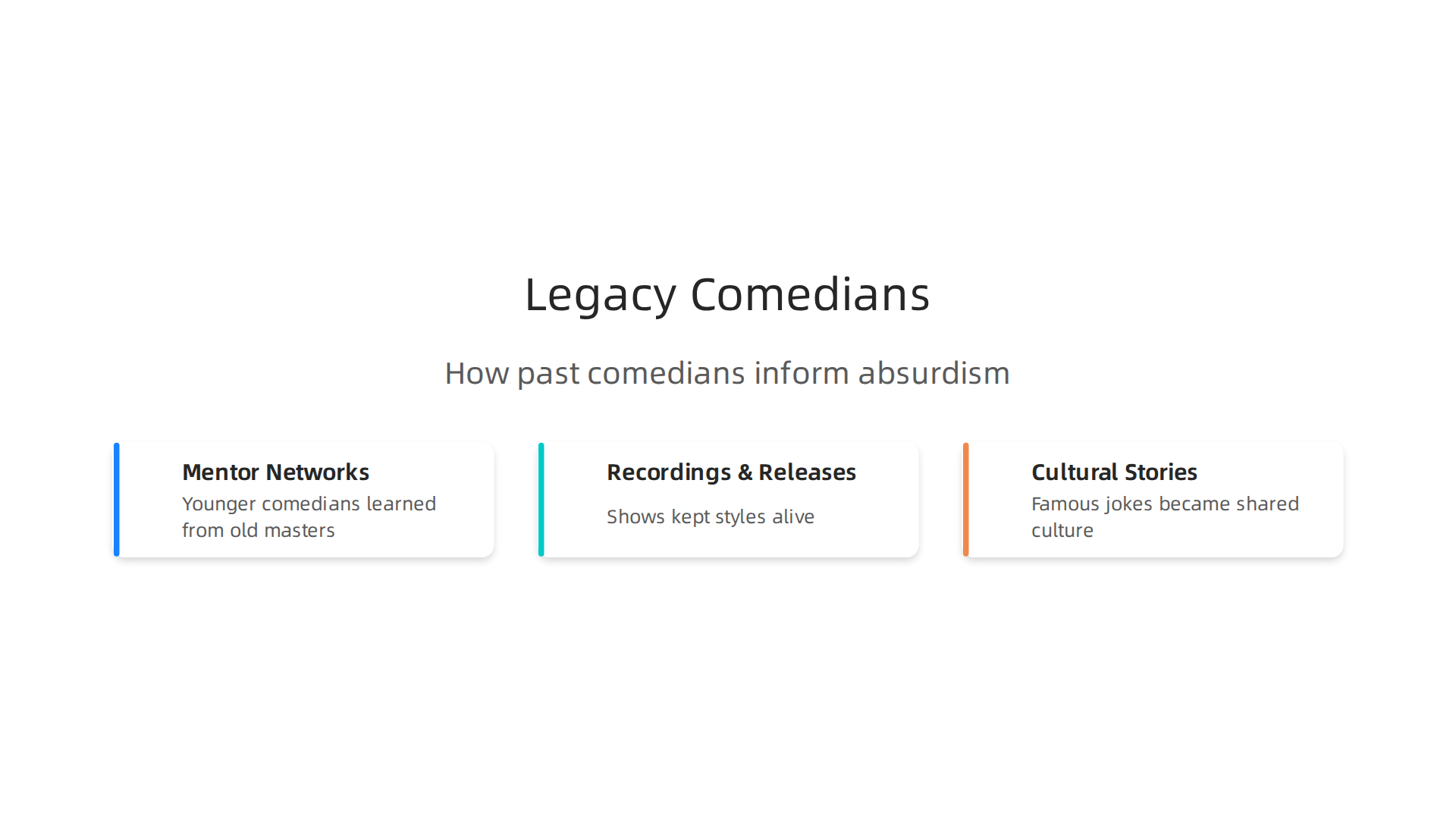
- Mentor Networks: Many younger comedians learned from these old masters.

Sometimes they worked together, and other times, new comedians just studied their performances closely.
- Recordings and Releases: Even after these funny people were gone, their shows, audio records, and later, video recordings, kept their unique jokes and styles alive. New releases of old material or documentaries about them helped their work reach new fans.
- Cultural Stories: Famous stories about these comedy legends became part of our shared culture. People would talk about their most memorable jokes, making their humor a key part of comedy history.
Today, you can see their influence everywhere. Many actors in current Absurdist Comedy Movies That Defy Logic use similar ideas. Think about how an actor in a Jonah Hill movie might use awkward situations or unexpected reactions to make people laugh. This rich tradition comes from a long line of brave comedians who dared to be different and make us see the world with a funny, fresh pair of eyes.
Today, you can see their influence everywhere. Many actors in current Absurdist Comedy Movies That Defy Logic use similar ideas. Think about how an actor in a Jonah Hill movie might use awkward situations or unexpected reactions to make people laugh. This rich tradition comes from a long line of brave comedians who dared to be different and make us see the world with a funny, fresh pair of eyes.
Spotlight: Dead stand-up comedians and their influence on film
The way these past comedy heroes changed how we see things didn’t stop with just inspiring other comedians. Many dead stand up comedians have also left their mark on movies. Their funny ways of acting or their special jokes find new life on the big screen, even today in 2026.
Filmmakers often look to these legends for ideas. They might borrow a comedian’s special way of talking or acting. This is like taking their "persona" and giving it to a new character. For example, some actors in jonah hill movies might use a clumsy but charming style that reminds people of old-time physical comedians. Or, you might find a subtle nod to classic comedic timing in certain emma watson movies that show a knack for understated humor.
It’s important to know the difference between borrowing a "persona" and using actual "material." When filmmakers use a persona, they try to capture the spirit of how a dead stand up comedian performed. It’s like an actor learning to sing like a famous singer without performing their exact songs.
However, sometimes filmmakers want to use actual jokes, stories, or parts of a comedian’s old routines. This is called "adaptation," and it gets a bit more complex. When a book is turned into a movie, that’s adaptation. The same can happen with a stand-up routine Negotiating Adaptation. For this, filmmakers need to get permission from the comedian’s family or the people who own the rights to their work. They must follow rules to make sure they are respectful and fair.
This careful process lets the genius of dead stand up comedians live on. It means their unique funny ideas keep entertaining new generations through films, keeping their laughter echoing long after they’re gone. These stories show us how comedic actors, both old and new, keep changing what we think of as funny in movies and TV shows, making our culture richer Comedic Actors And Their Unconventional Filmography Redefine Absurdity In Pop Culture.
Do you love humor that bends the rules and makes you think? Then you’ll enjoy stories that take absurdity to a whole new level.
New voices: emerging absurdist comedians citing past influences
The funny ideas from comedy heroes of the past keep on inspiring new stars. In 2026, many rising stand-up comedians openly share how older legends have shaped their jokes and acts.
They take what made audiences laugh before and make it fresh for today.
Think about how Steve Martin, known for his early stand-up shows in the 1970s, really pushed absurdism. He made audiences laugh with things that were silly and didn’t always make perfect sense Upcoming Comedy Shows Washington DC 2026 Guide. Today, you can see hints of his style in comedians who play with unexpected twists or silly characters. It’s like they’re taking a funny idea from the past and giving it a modern makeover.
Many young comedians find clever ways to bring old jokes or performance styles back to life. They might use a classic "slow burn" reaction that a famous comedian once did, but they apply it to a joke about today’s world. Or they might talk about things that feel really strange, just like some of the top 10 absurdist comedians who mastered surreal humor on screen did in the past. It’s not just copying; it’s about making something new from something old.
This means that the laughter from dead stand up comedians doesn’t fade away. Instead, it echoes through new voices, making the comedy world exciting and always changing. These new comedians, like those highlighted in lists of performers to watch in 2026, keep finding new ways to surprise us and make us think A look at Deadline’s Comics To Watch in 2026. They show that funny is funny, no matter when it started.
The funny ideas from stage don’t just stay on stage. Many times, the jokes and characters that make people laugh in a stand-up show move to the big screen or TV. This is called adaptation, and it’s how a performance meant for a live audience changes to fit movies or series Negotiating Adaptation. It’s a way to keep the laughter going and reach even more people.
When a comedian decides to bring their act to film, they often think about how their stage persona will work as a character in a story. Sometimes, a whole movie can come from just one funny idea or a way of acting that a comedian does. It’s not always easy, but good comedians know how to make their unique style fit a new kind of storytelling. This helps audiences understand the different ways comedic actors can shine.
Here are some ways stand-up has been made into screen magic:
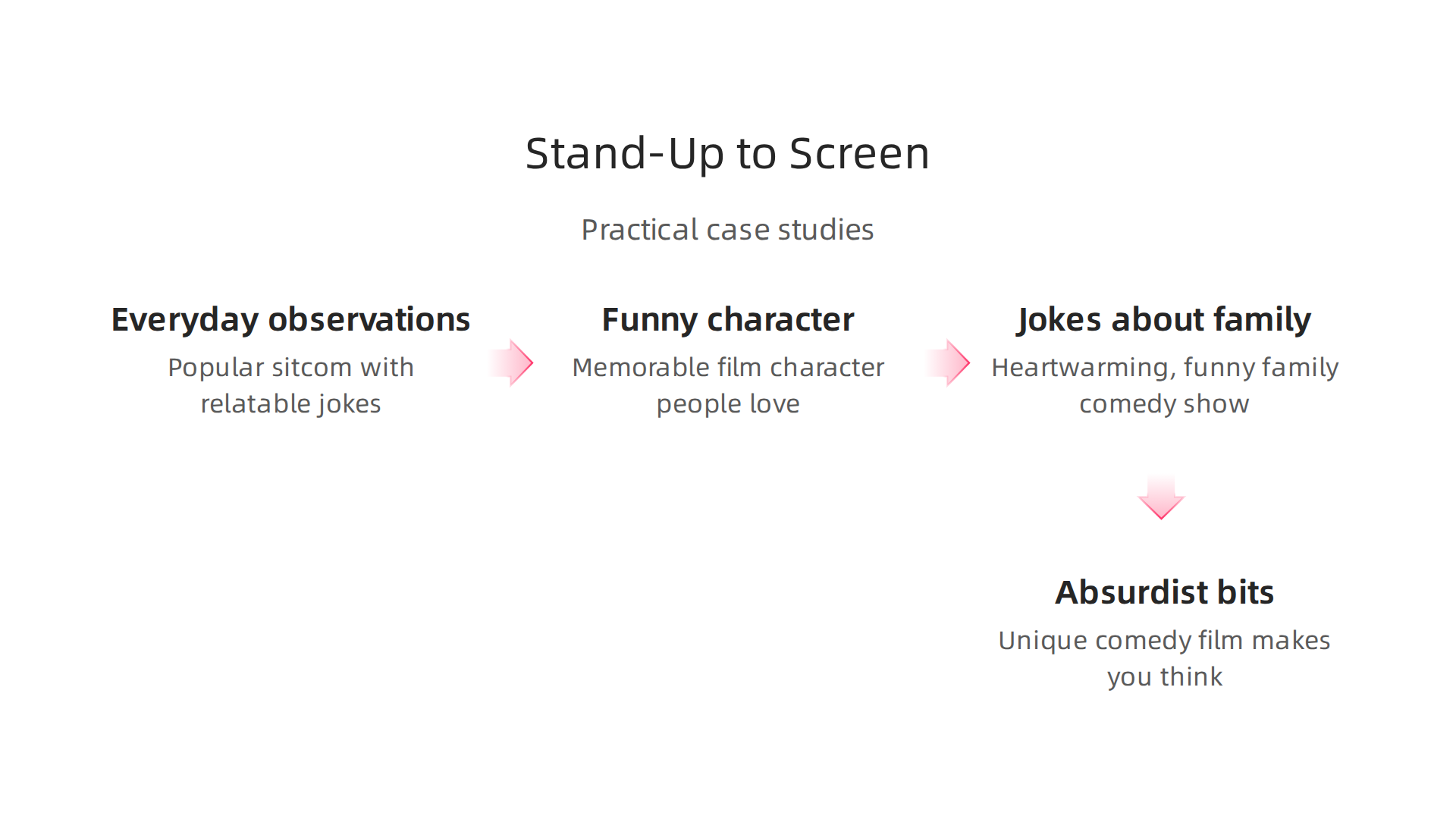
| Stand-up Source Material | Adaptation Choices | Outcome on Screen |
|---|---|---|
| A comedian’s everyday observations | Turn into a TV show where the main character comments on life | A popular sitcom with relatable jokes |
| A specific funny character or voice | Create a movie role based on that character | A memorable film character that people love |
| A comedian’s jokes about family life | Develop a TV series around a funny, flawed family | A heartwarming and funny family comedy show |
| Absurdist bits from stage | Feature in a movie with strange, unexpected events | A unique comedy film that makes you think and laugh Absurdist Comedy Movies That Defy Logic |
This kind of transformation shows that the humor, even from dead stand up comedians, can be timeless. Their influence can be seen in many actors, like in some Julia Roberts absurdist humor roles or even in serious actors who try comedy. For example, some filmmakers might look at how a comedian like Jonah Hill uses his expressions on stage and then write a character in a movie for him that highlights that same style. Or they might watch Emma Watson movies and see how her natural charm could be used in a new, funny way on screen. The key is finding what makes the comedian special and putting that into a story for film or TV Introduction: Adaptation, Franchise and Modern Fantasy.
This path from stage to screen keeps comedy fresh and exciting, letting the spirit of stand-up live on in new and creative ways.
If you enjoy comedy that steps outside the usual, you might like stories that play with unexpected ideas. The Ridiculous turns cosmic confusion into sharp, funny fiction. Start the Absurd Adventure
The way stand-up comedy turns into movies or TV shows gives writers and creators a special chance to learn. You can pick up tricks that make people laugh, not just on stage, but also on screen. Many of these ideas come from comedians who have passed on, showing us that good humor lasts forever. By looking at how these dead stand up comedians made their mark, new creators can find fresh ways to tell funny stories.
Here are some clever ways writers and creators can borrow from past comedians:
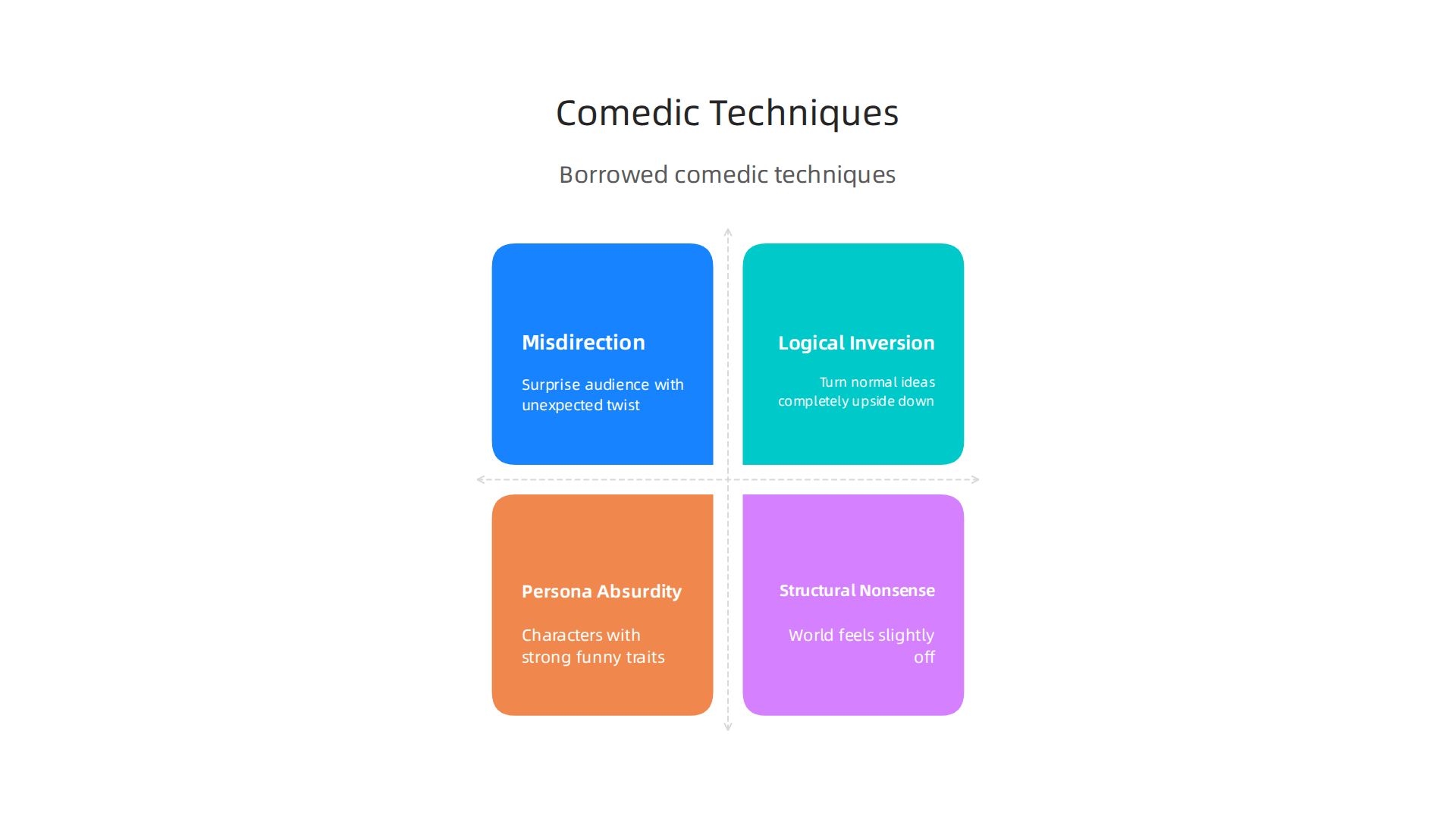
Misdirection
Misdirection is like a magic trick with words. A comedian sets you up to think one thing will happen, then surprises you with something totally different. For example, a joke might start with a serious setup about daily life, only to end with a silly, unexpected twist. Writers can use this by building up a scene in a movie to make the audience expect one outcome, then suddenly flipping it for a laugh. It keeps people on their toes and makes the humor more exciting.
Logical Inversion
This technique means turning normal ideas completely upside down. It’s about taking something everyone agrees on and showing it in a way that doesn’t make sense, but is still very funny. Think about how a character might follow rules so strictly that it becomes absurd, or question why we do everyday things in a silly way. This kind of thinking helps you find humor in the ordinary, making viewers see things in a new light.
Persona-Driven Absurdity
Some of the best comedy comes from a character’s unique way of seeing the world. This is persona-driven absurdity. It means creating characters with strong, funny traits and then putting them in everyday situations. Their reactions, which are true to their unique personality, make the situations hilarious. For instance, studying how characters act in comedic actors and their unconventional filmography redefine absurdity in pop culture can show you how to develop your own funny personas. Different viewpoints, even those from autistic comedians, can bring fresh and unexpected humor to the screen, showing us that unique perspectives are a goldmine for comedy.
Structural Nonsense
Sometimes, the funny comes from the very structure of the story or scene not making sense. This is structural nonsense. It’s when the world around the characters is a bit off, or events happen without clear logic, but in a funny way. It’s not just random, though. There’s often a smart reason for the silliness. Think about how some characters in jonah hill movies or emma watson movies deal with wildly strange situations as if they were totally normal, and that contrast makes you laugh. This technique can make your stories stand out.
Exercises and Prompts for Creators
To learn these techniques, you don’t need to copy famous acts.

Instead, you can use these prompts to find your own comedic voice, just as many comedians do to write fresh material in 2026.
- Twist the Familiar: Pick an everyday item or routine, like brushing your teeth or waiting in line. Now, think of three absurd things that could happen. How would a character react using misdirection or logical inversion?
- Character Test: Create a character with one really strong, odd trait. How would they handle a simple task, like ordering coffee or walking a dog? What funny things would come from their unique view? You can also learn from others’ processes, like Jerry Seinfeld’s approach to comedy writing, to help you get started Jerry Seinfeld’s 5-Step Comedy Writing Process.

- "What If" Scenario: Take a serious real-world problem or news story. What if the solution was completely nonsensical but everyone went along with it? How would you build a scene around that idea?
By playing with these techniques, you can keep the spirit of classic comedy alive and create new, funny stories for today’s audiences.
Finding audiences and community for niche absurdist work
After you’ve created your funny stories and characters, the next step is to share them. Even if your humor is a little strange or unique, there’s a place for it. Finding the right audience for your absurdist work is very important, and many ways exist to do it in 2026.
Here are some good places to share your funny creations:
- Online Spots: The internet is a huge playground for niche humor. You can put your funny videos on platforms like YouTube, or share short, funny bits on social media. Websites that explain things like Absurdist Funny Videos Explained With Key Techniques And Examples show how many people are looking for this kind of content. There are also many online groups and forums for fans of very specific kinds of humor. For example, some communities love how certain stories can make a character like Voldemort funny, proving that even the most unusual jokes can find their fans.
- Festivals and Live Events: Even for movies or written work, festivals are a great way to show your stuff and meet people who appreciate unique comedy. For stand-up, open mic nights are still a good starting point to test new material and build a local following.
- Building on Past Legends: New creators don’t just copy old jokes. They take inspiration from
dead stand up comediansand other funny people from the past. By doing this, they keep the spirit of classic comedy alive while adding their own new ideas. This helps to build a cultural link from the past to the present. You might even wonder about the rules for using an artist’s work after they’re gone. It’s interesting to learn about things like Raising the Dead: Understanding Post-Mortem Rights of Publicity, which talks about how we use the work of famous people after their death.
When you look at actors in jonah hill movies or emma watson movies, you see how different styles of comedy can reach many people. Creators, including autistic comedians, bring fresh viewpoints that make the world of comedy richer. They show that being true to your own unique funny ideas is the best way to connect with an audience that will love your work. Learning from the Top 10 Absurdist Comedians Who Mastered Surreal Humor on Screen can also give you ideas about how to make your mark.
Love Absurd Humor? Meet the sci-fi series built around strange logic and smarter laughs.
Ethics, memory, and curating a deceased comedian’s legacy
When we talk about learning from dead stand up comedians and other funny people from the past, it’s really important to think about how we honor their work. After a comedian passes away, their jokes, characters, and performances don’t just disappear. They become a part of history and their estate, which is like their family’s legal team or a chosen group, usually controls how their work is used. This means they decide if old jokes can be put in new shows or if special recordings can be shared.
There’s a fine line between celebrating a comedian’s memory and using their work in a way they wouldn’t have wanted. It’s about being respectful while still letting new audiences enjoy their humor. Sometimes, jokes from the past might not fit with what people find funny or acceptable today. Comedy can change a lot depending on the culture and time, as seen in studies about Cross-cultural Comedy: Unpacking Sociolinguistic Dynamics in …. So, when we look at old material from dead stand up comedians, we need to think about the time it was made.
To truly honor their memory, we should:
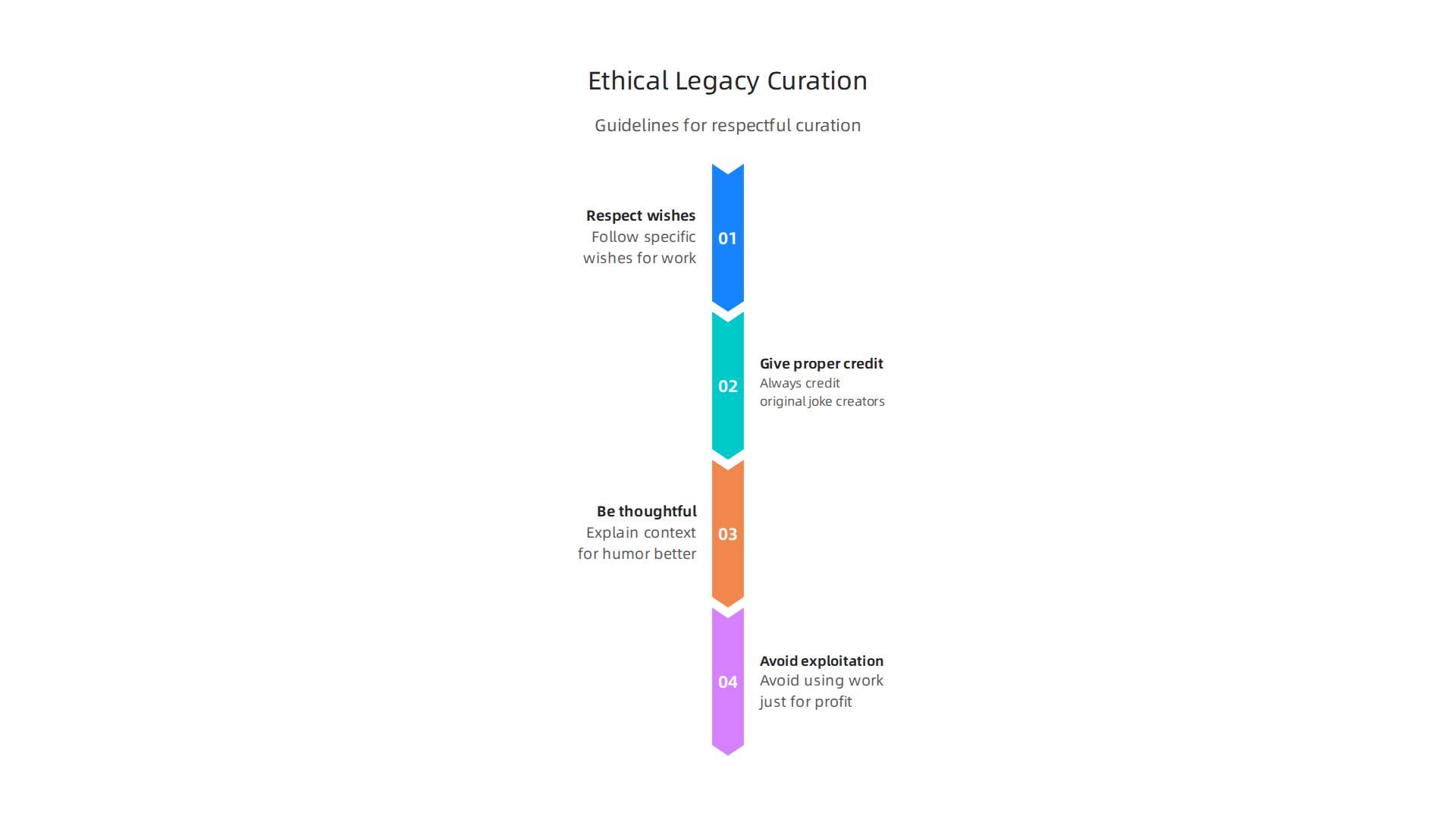
- Respect their wishes: If the comedian or their family had clear ideas about how their work should be used, those wishes should be followed.
- Give proper credit: Always say who created the jokes or performances. This keeps their name and impact alive.
- Be thoughtful about context: Explain when and why a joke was funny. This helps people understand the humor better, especially if it was from a long time ago.
- Avoid exploitation: Don’t use their work in ways that are just about making money without truly celebrating their art.
Think about how fans love watching old jonah hill movies or emma watson movies. People appreciate these actors’ work because it’s part of their story. The same goes for dead stand up comedians. Their impact on comedy is huge. For example, the way physical comedy has left a mark on film and literature shows how some humor lasts for a very long time, as explored in Body Humor in Contemporary American Literature and Film.
It’s also important to remember the diverse voices in comedy, like those of autistic comedians, who bring unique perspectives. When we curate the legacy of any comedian, especially those who are no longer with us, we must ensure their unique comedic genius is preserved with care. Learning about how different performers build their lasting impact, like in these 8 Sacha Baron Cohen Movies That Define His Absurdist Comedic Legacy, can help us understand how important it is to treat these works with respect.
If you enjoy comedy that breaks the mold and explores new ideas, you might like stories where logic takes a vacation and things get weird. Absurdity, Meet Sci-Fi could be a great read for you.
Summary
This article traces how influential, now-deceased stand-up comedians helped build the absurdist sensibility that still shapes comedy in 2026, from sketchy physical bits to surreal storytelling on screen. It explains how their styles traveled forward via mentor networks, recordings, cultural stories and adaptations into movies and TV, and it shows concrete ways contemporary creators borrow and transform those ideas. You’ll read spotlights on how legacy personas and routines inform modern actors and filmmakers, plus a clear look at the difference between adopting a persona and adapting actual material. The piece also breaks down key absurdist techniques—misdirection, logical inversion, persona-driven absurdity, and structural nonsense—and offers practical writing prompts to try them. It covers where to share niche absurd work (online, festivals, communities) and the ethical and legal rules for using a deceased comedian’s material. Overall, the article helps creators and fans recognize continuity between old masters and new voices, gives hands-on methods for crafting odd-but-true comedy, and highlights how to honor legacies responsibly while reaching modern audiences.